FIFO Accommodation Cleaning Standards: What Should Be Included?
FIFO accommodation cleaning standards: what should be included? There is no single cleaning checklist that will suit every FIFO camp or workers' accommodation facility. A practical standard needs to reflect how the accommodation operates, how rooms are used and turned over, which facilities are shared, and what level of routine, changeover and periodic cleaning is required.
For mining operations, this makes the cleaning scope particularly important. Individual rooms are only one part of the accommodation environment. Shared bathrooms, laundries, kitchens, dining or crib areas, corridors, entrances and other common facilities can all have different patterns of use and different cleaning requirements.
The standard also has to be repeatable. Cleaning one room well is relatively straightforward. Maintaining an agreed level of cleanliness across rooms, shared facilities and repeated workforce changeovers requires a cleaning program designed around the way the accommodation actually functions.
A FIFO Accommodation Cleaning Standard Needs to Define More Than Frequency
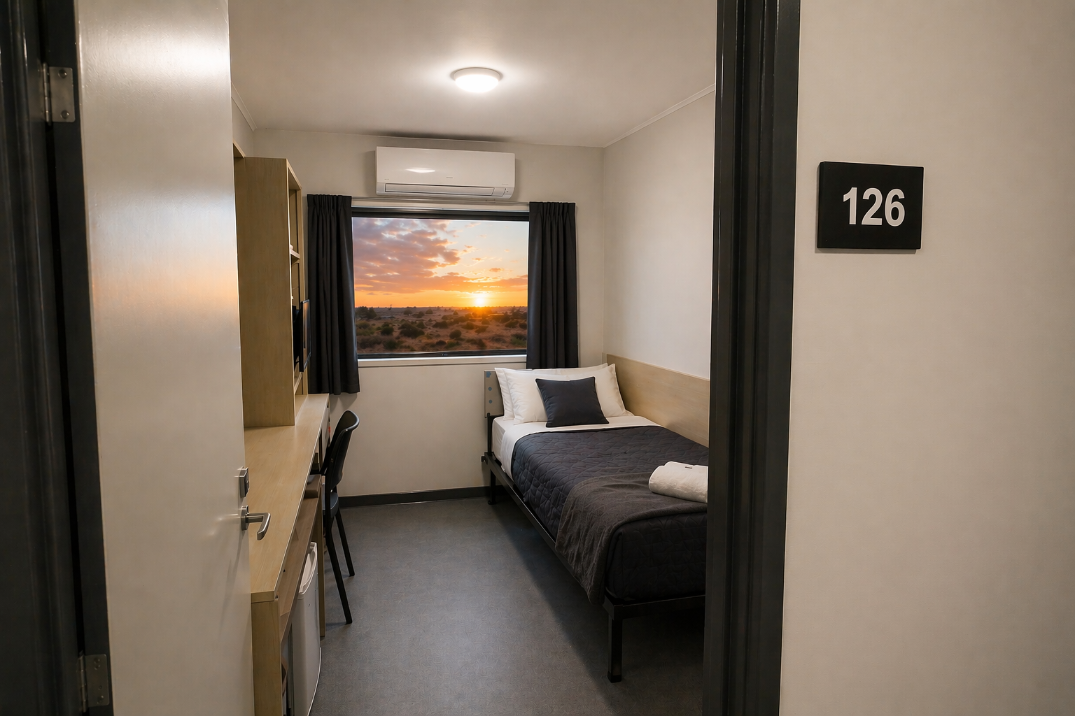
Stating that an area should be cleaned "daily" or "regularly" does not, by itself, establish a useful cleaning standard.
A cleaning scope should make it clear which areas are included, what tasks are expected, how frequently they occur and whether certain work sits outside the routine schedule. It should also distinguish between areas that perform very different functions.
A bedroom, shared toilet facility and kitchen should not automatically be approached in the same way simply because they are located within the same camp. The surfaces, usage and cleaning requirements are different.
Frequency is still important, but it should follow the requirements of the area rather than become the starting point for every decision. A heavily used shared facility may require more frequent attention than an individual accommodation room. Other tasks may be better suited to scheduled periodic or deep cleaning rather than being repeated during every service.
Clear scopes also make expectations easier to understand for cleaning staff and site management. Instead of relying on broad instructions such as "clean the accommodation", the service can define what routine cleaning is expected to achieve and where additional work may be required.
This becomes increasingly important as the size and complexity of the accommodation facility increases.
Routine FIFO Housekeeping and Room Changeovers Serve Different Purposes
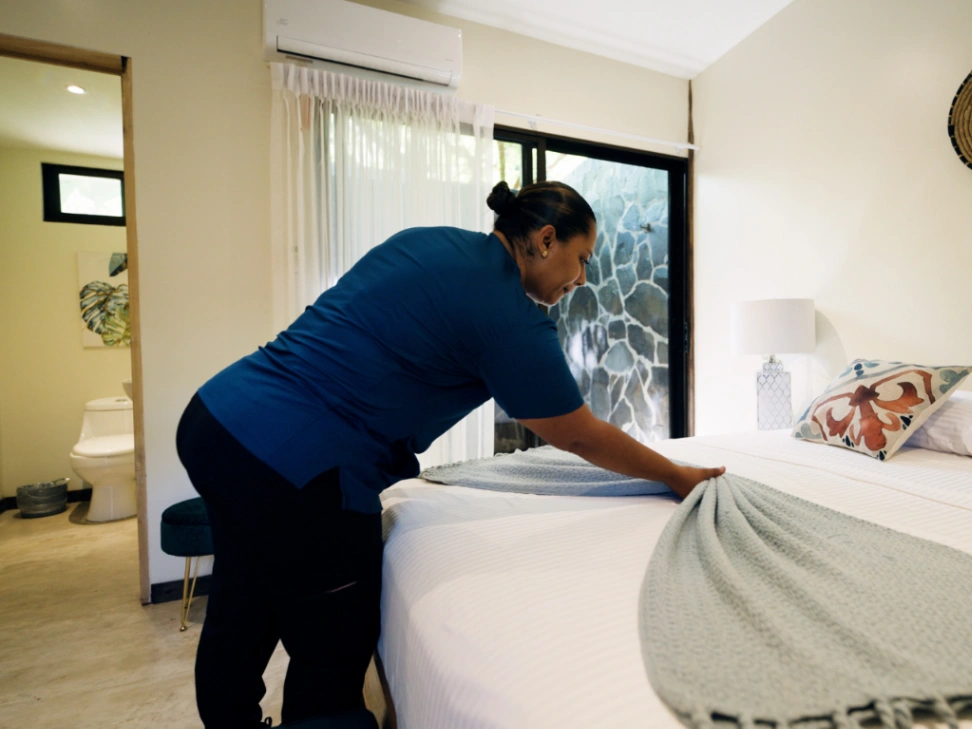
Routine FIFO housekeeping and room changeover cleaning may involve some of the same surfaces, but they do not necessarily serve the same purpose.
Routine servicing is about maintaining an occupied accommodation room to the agreed standard while it is in use. Depending on the site's requirements and cleaning scope, this may include floors, accessible surfaces, bins, bathroom areas where rooms have private facilities, and other routine housekeeping tasks.
A changeover occurs at a different point in the accommodation cycle. The room is being prepared for another occupant, which creates an opportunity for a more complete reset of the space and for issues that may have been less obvious during occupancy to be identified.
The exact changeover requirements will vary between sites, so it would be misleading to prescribe one universal FIFO room checklist. What matters is that the cleaning scope distinguishes between routine servicing and changeover requirements rather than assuming one schedule covers both.
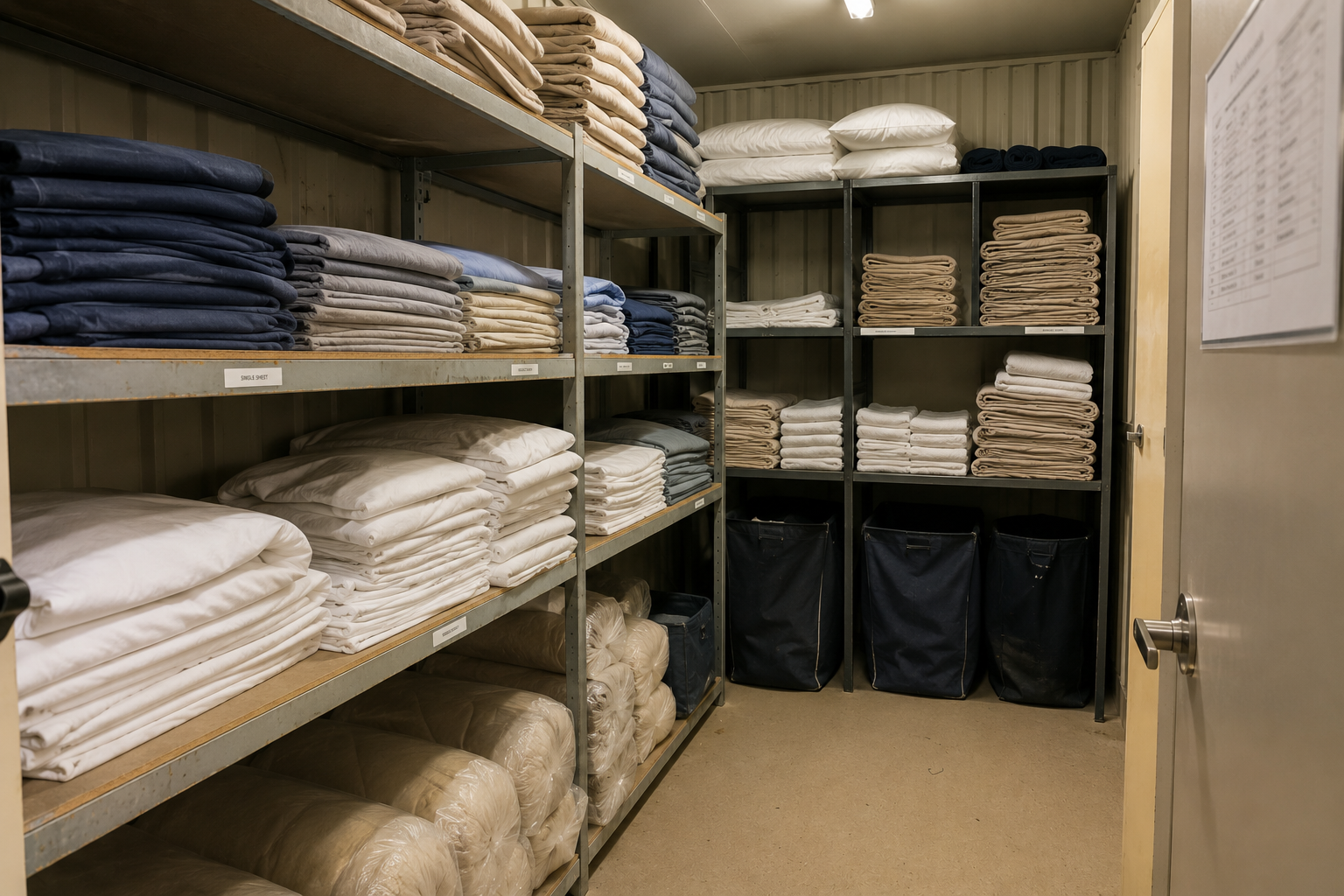
Linen is another example. Where linen servicing forms part of the accommodation operation, the relationship between room changeovers and commercial laundry needs to be clearly coordinated. Used linen leaving a room, clean linen returning and the preparation of accommodation for the next worker are connected activities even when they are managed as separate service scopes.
This is one reason FIFO accommodation cleaning should be considered as part of a wider facility operation rather than as a collection of individual hotel-style rooms.
Shared Camp Facilities Shouldn't Automatically Follow the Room Cleaning Schedule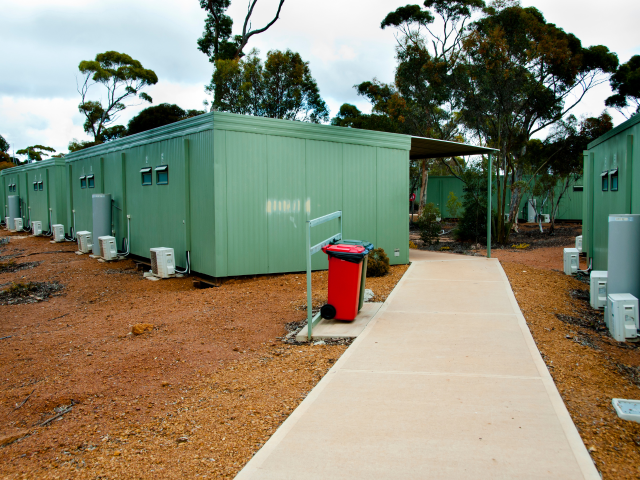
A FIFO worker may spend part of their time in an individual room, but much of the accommodation environment is shared.
Depending on the facility, this can include toilet facilities, showers, laundries, corridors, entrances, kitchens, dining spaces, crib areas and other common amenities. The number of people using these areas and the way they are used can be very different from an individual room.
That matters when cleaning schedules are developed.
Applying the same frequency across every part of a FIFO camp can result in some areas receiving attention more often than necessary while heavily used shared facilities require additional servicing. A better approach is to consider each area according to its function, level of use and agreed cleaning requirements.
Shared bathrooms are a straightforward example. Their cleaning requirements are influenced by repeated use across multiple occupants. Kitchen, dining and crib areas introduce different surfaces, food-related cleaning requirements and waste. Entrances and corridors can receive repeated foot traffic as workers move through the facility.
The cleaning products and equipment used can also vary between these areas. A product appropriate for a particular floor finish is not automatically suitable for glass, stainless steel, bathroom surfaces or every other material within the accommodation facility. Professional commercial cleaning therefore involves matching the cleaning method to the surface and task rather than applying one general process throughout the camp.
This is also where the cleaning of FIFO accommodation connects with the wider requirements of mine site facilities. A crib room, for example, has its own pattern of use and cleaning and maintenance considerations. MCD Group explores this in more detail in How Should a Mine Site Crib Room Be Cleaned and Maintained?
Maintaining the Same Cleaning Standard Across a FIFO Camp Is the Hard Part
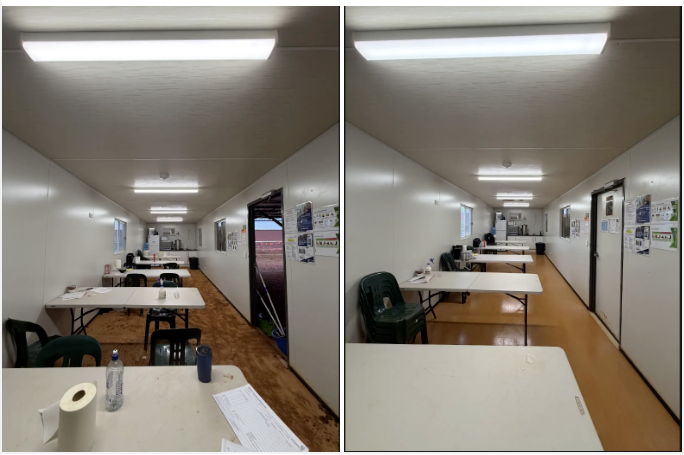
The difficulty in a larger accommodation operation is not proving that one room can be cleaned properly. It is maintaining the agreed standard repeatedly across the facility.
Rooms may be at different points in their occupancy cycle. Some may require routine housekeeping while others are being prepared for incoming FIFO workers. Shared facilities continue to be used while this is happening, and periodic cleaning requirements still need to fit around the routine schedule.
That creates a consistency challenge.
A useful cleaning scope reduces reliance on individual interpretation by defining the expected work clearly. Cleaning schedules can then account for different room and facility requirements rather than treating the entire camp as one repeated cleaning task.
Consistency also matters because small omissions become significant when they are repeated across a large number of rooms. A detail missed once may be minor. A task that is unclear in the cleaning scope and therefore repeatedly missed can become a broader service issue.
The same applies to common areas. Maintaining a cleaning standard across a FIFO workforce requires attention to the facility as a whole, not just the presentation of individual rooms.
This is one of the key differences between accommodation cleaning as an ongoing commercial service and completing a one-off clean. The standard needs to hold across repeated servicing, room changeovers and changing levels of use.
Deep Cleaning Has a Different Role in FIFO Accommodation
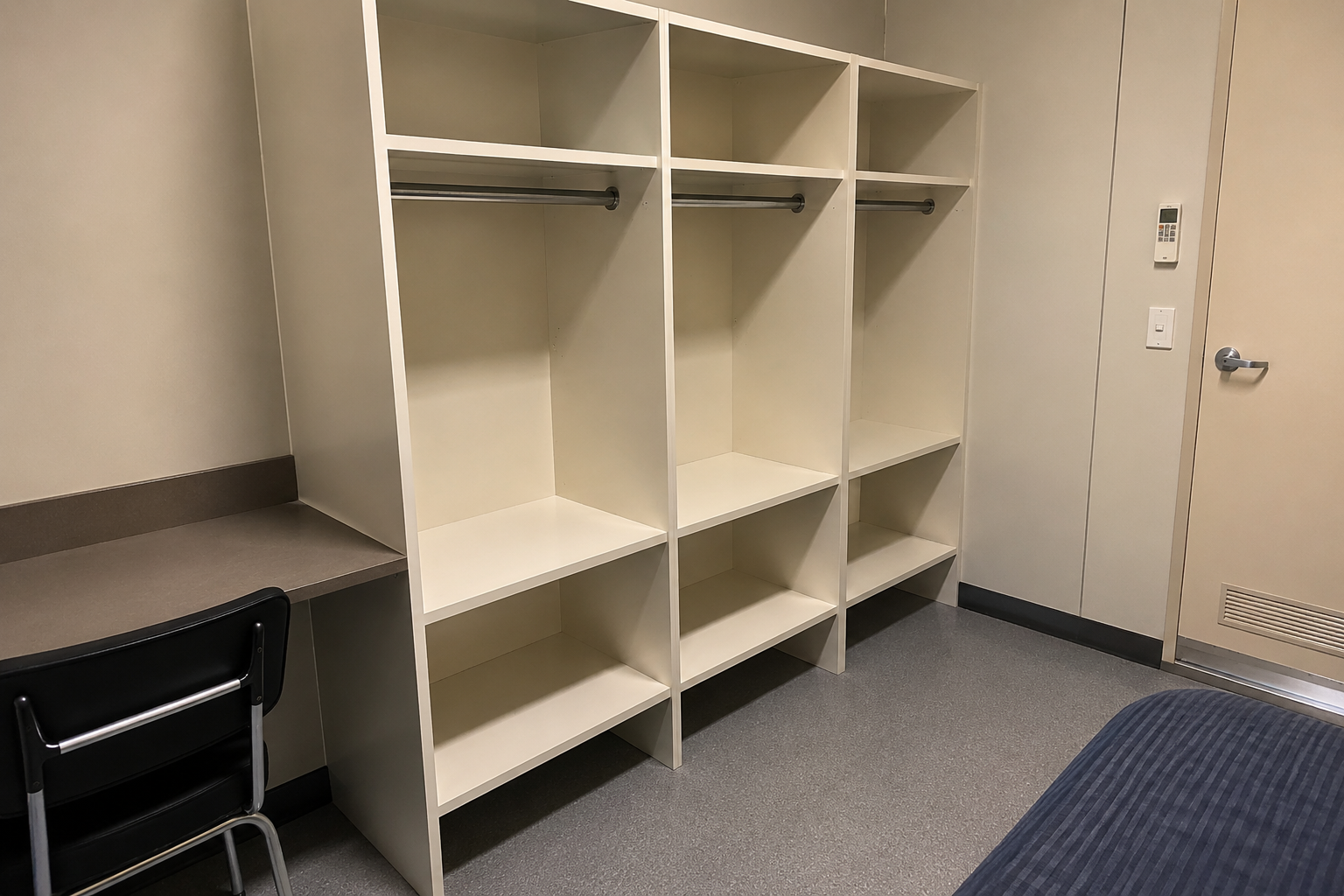
Routine cleaning is designed to manage recurring requirements. It should not be expected to address every cleaning task a FIFO accommodation facility will require over time.
Some work is more appropriately managed through periodic or deep cleaning. This can include areas or surfaces requiring more intensive attention than the normal housekeeping schedule provides, as well as accumulated build-up that cannot reasonably be addressed within routine room or common-area servicing.
The distinction is important because increasing the frequency of routine cleaning is not always the answer to a deeper cleaning requirement. Equally, repeated deep cleaning should not be used to compensate for a routine cleaning program that is consistently falling behind.
The appropriate balance depends on the facility, its surfaces, patterns of use and the agreed scope.
For facilities managers, this means the cleaning program should identify what belongs in the regular schedule and what requires a separate periodic response. MCD Group covers this distinction in more detail in Regular Cleaning vs Deep Cleaning: What Does Your Facility Need?
For FIFO accommodation, both can form part of maintaining a consistent standard. The important part is knowing which type of cleaning is required, rather than treating every cleaning issue as the same task.\
Accommodation Cleaning Doesn't Stop at the Room Door
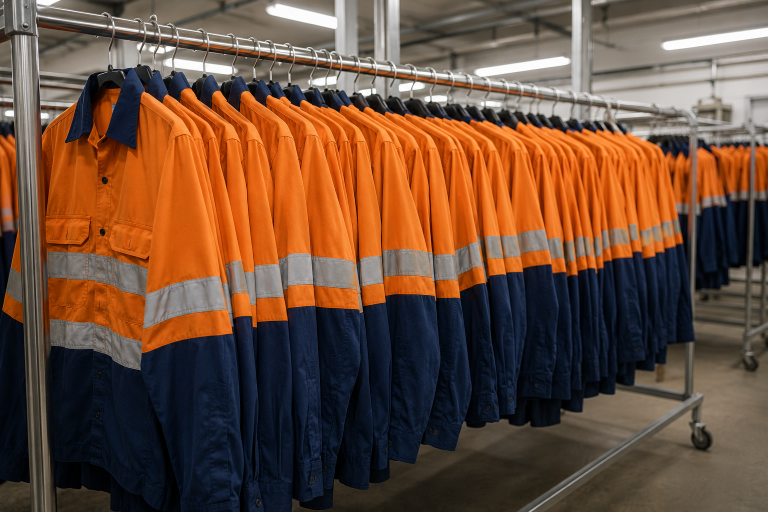
Keeping FIFO accommodation at an agreed standard involves more than cleaning bedrooms. The surrounding services and shared facilities also influence how the accommodation operates from one workforce changeover to the next.
Laundry is an obvious example. Where linen and towels are supplied as part of the accommodation, they need to move through a repeatable servicing cycle alongside the rooms themselves. Used items need to be collected, commercially laundered and returned ready for use according to the site's requirements.
This makes commercial laundry a related but distinct part of accommodation servicing. Cleaning staff may prepare the room, while the linen used within it moves through a separate laundry process. Coordinating those requirements becomes increasingly important when servicing accommodation at scale.
Laundry facilities used directly by workers also form part of the wider accommodation environment and may require their own cleaning schedule. The same principle applies to shared kitchens, bathrooms, common areas and other amenities. Each has a different function, even though collectively they form part of the same FIFO camp.
MCD Group provides commercial laundry services for mining, FIFO accommodation and other commercial facilities in Kalgoorlie and the Goldfields, alongside its commercial cleaning services. This provides a natural connection between two requirements that often exist within the same accommodation operation.
Some Accommodation Issues Need Maintenance, Not More Cleaning
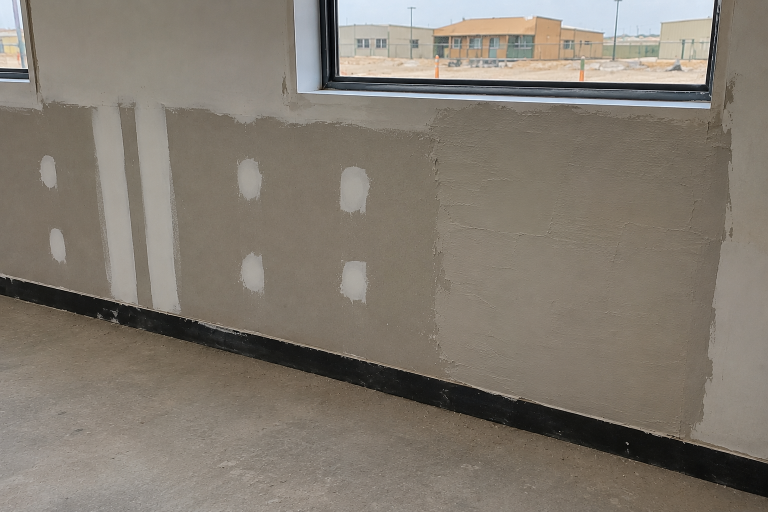
Regular cleaning also creates repeated contact with the physical condition of accommodation facilities.
That does not make cleaners building inspectors, but it does mean some issues become apparent during cleaning. Once dirt and surface marks have been addressed, it can become clearer that the underlying problem is physical wear or damage.
A marked wall may need cleaning. Damage to the wall requires repair. Dirty shelving can be cleaned, while loose or damaged shelving is a maintenance issue. The same distinction can apply to flooring, doors, fixtures and other parts of an accommodation room or shared facility.
This matters because repeatedly cleaning something that is damaged will not resolve the underlying problem.
A practical accommodation cleaning scope should therefore make a distinction between the condition cleaners are expected to address and issues that sit outside the cleaning service. Where appropriate, those issues can then move into the site's maintenance process rather than being treated as repeated cleaning failures.
This also reflects MCD Group's broader work across commercial and mining facilities. In addition to cleaning, MCD provides building maintenance and practical maintenance services across the Goldfields. Where cleaning and maintenance requirements occur within the same facility, understanding the difference between them helps ensure the appropriate service is applied.
What Should Be Defined in a FIFO Camp Cleaning Scope?
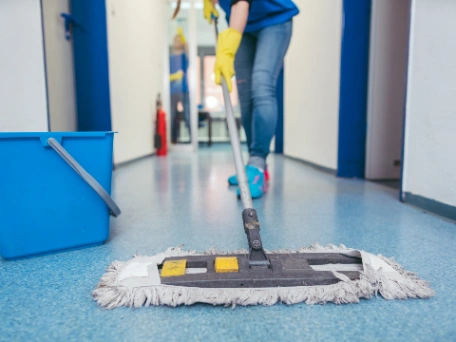
A useful FIFO cleaning scope should remove ambiguity rather than simply create a longer checklist.
The exact requirements will differ between accommodation facilities, but several elements are worth defining clearly:
|
Area |
What the cleaning scope should define |
|
Accommodation rooms |
Routine cleaning tasks, service frequency, surfaces included and the expected condition following a service |
|
Room changeovers |
What additional work is required when preparing a room for another occupant |
|
Bathrooms and toilet facilities |
Fixtures and surfaces included, service frequency and any periodic cleaning requirements |
|
Kitchens, dining and crib areas |
Cleaning responsibilities for floors, surfaces, waste and other included areas based on how the facility is used |
|
Entrances, corridors and common areas |
Routine tasks and cleaning frequency based on traffic and use |
|
Floors |
Floor types, appropriate routine cleaning methods and any periodic floor-care requirements |
|
Laundry and linen |
Responsibilities for linen collection, commercial laundry and return where these services form part of the scope |
|
Deep cleaning |
Tasks that sit outside routine FIFO housekeeping and how periodic work is scheduled |
|
Cleaning products and equipment |
Any site requirements and the appropriate products or methods for different surfaces and cleaning tasks |
|
Maintenance issues |
How physical damage or other issues outside the cleaning scope are identified and directed to the appropriate party |
The purpose is not to make every possible cleaning task contractual. It is to make the important distinctions clear.
If a room changeover requires more than routine housekeeping, that should be understood. If a shared facility needs a different frequency from accommodation rooms, the cleaning schedule should reflect it. If commercial laundry is a separate service, the handover between room servicing and linen servicing should also be clear.
A well-defined scope gives both the client and cleaning provider a more useful reference point for the standard being maintained.
What Does WorkSafe WA Say About Workers' Accommodation?
Cleaning standards for FIFO accommodation should also be considered within the broader requirements that apply to worker accommodation in Western Australia.
WorkSafe WA's Managing the Work Environment and Facilities: Code of Practice includes accommodation among the facilities that may need to be provided where work requires workers to be away from their usual place of residence. Its accommodation checklist includes considerations such as suitable sleeping accommodation, toilets, washing and bathing facilities, laundry facilities, eating facilities, rubbish collection and procedures to ensure cleanliness.
That guidance is useful because it places cleanliness within the broader operation of worker accommodation rather than treating it as an isolated housekeeping task.
WorkSafe WA also publishes Village Audit Guides and Templates relating to the management of villages, camps and accommodation facilities as mining infrastructure. These provide useful broader context for organisations responsible for accommodation associated with mining operations.
In 2026, the Work Health and Safety Commission also released a draft Code of Practice for Workers' Accommodation for public consultation. As a draft, it should not be represented as an approved code or a universal cleaning specification. It does, however, demonstrate the continuing attention being given to the conditions and management of worker accommodation in Western Australia.
For cleaning providers and site management, official guidance provides the broader framework. The individual cleaning scope still needs to translate the facility's actual requirements into practical schedules, tasks and service expectations.
FIFO Accommodation Cleaning Services in Kalgoorlie and the Goldfields

FIFO accommodation sits within a larger mine site environment, and its cleaning requirements often overlap with other facility services.
MCD Group provides commercial and mine site cleaning across Kalgoorlie-Boulder and the Goldfields, including cleaning support for commercial and mining facilities. Related capabilities include deep cleaning, commercial laundry and building maintenance services.
For FIFO accommodation, this means different requirements can be considered in the context of the facility as a whole. Routine cleaning may maintain rooms and shared areas, deep cleaning can address periodic requirements outside the regular schedule, commercial laundry can support linen requirements, and physical issues identified around the facility may require maintenance rather than additional cleaning.
The objective is not to treat all of these requirements as the same service. It is to recognise how they interact within an operating accommodation facility.
To discuss FIFO accommodation cleaning, commercial laundry or related facility requirements, contact MCD Group online or call 0480 020 821.
Questions About FIFO Accommodation Cleaning
How Often Should FIFO Accommodation Be Cleaned?
There is no single frequency appropriate for every FIFO accommodation facility. Cleaning schedules should reflect the area being serviced, how frequently it is used, the number and movement of occupants, the site's requirements and the agreed cleaning scope.
Shared facilities may require a different frequency from individual accommodation rooms, while some tasks are better managed through periodic deep cleaning.
What's the Difference Between Routine FIFO Housekeeping and a Room Changeover Clean?
Routine housekeeping maintains an accommodation room while it is in use according to the agreed schedule. A changeover clean prepares the room for another occupant.
The exact tasks involved will depend on the site, but distinguishing between the two helps prevent routine servicing and room preparation from being treated as identical cleaning requirements.
What Should Be Included in FIFO Accommodation Cleaning?
The scope may cover accommodation rooms, bathrooms and toilet facilities, floors, entrances, corridors, shared amenities, kitchens or dining areas and other common facilities depending on the site.
A useful cleaning scope should specify which areas and tasks are included, their frequency, how room changeovers are handled and which requirements sit outside routine cleaning.
Does FIFO Accommodation Cleaning Include Linen and Laundry?
Not automatically. Commercial laundry and linen servicing may be included as part of a broader accommodation service or managed as a separate scope.
Where linen forms part of room changeovers, the relationship between room cleaning and laundry servicing should be clearly defined so both processes can operate together.
What Happens When Cleaners Find a Maintenance Issue?
The appropriate process depends on the site's arrangements. A cleaning scope can establish how issues outside the cleaning service are handled or directed to the appropriate party.
Physical damage should not be confused with a cleaning failure. Where a surface or fixture remains damaged after it has been appropriately cleaned, maintenance or specialist rectification may be required.
A Cleaning Standard Has to Work Across the Whole Accommodation Facility

An effective FIFO accommodation cleaning standard is not defined by how many tasks can be placed on a checklist. It is defined by whether the cleaning program reflects how the facility is actually used.
That means distinguishing routine housekeeping from room changeovers, setting appropriate schedules for shared facilities, accounting for periodic deep cleaning and clearly defining related requirements such as linen and commercial laundry.
It also means recognising the boundary between cleaning and maintenance.
For mining operations managing accommodation over the long term, the challenge is ultimately consistency. The cleaning standard needs to remain clear and repeatable across rooms, shared facilities, changing occupants and ongoing workforce movements, rather than relying on a one-size-fits-all approach to every part of the camp.