A Crib Room Has More Going On Than Its Cleaning Checklist Suggests
How should a mine site crib room be cleaned and maintained? At first glance, it seems fairly straightforward. There are floors to clean, tables to wipe down, bins to empty and shared amenities to keep on top of.
But a crib room is used repeatedly throughout the working day, often by different groups of workers coming in from other areas of the mine site. Dirt and dust are brought in, meals are eaten, bins fill up and the same furniture and facilities are used again and again.
That makes a crib room quite different from an office meeting room that might sit empty for half the day.
It also means proper crib maintenance isn't only about what gets cleaned. You need to consider how often different areas require attention, what belongs in the regular cleaning scope, what occasionally needs deep cleaning and when something that looks like a cleaning problem has become a maintenance job.
For facilities teams responsible for mining operations, understanding those differences can make these heavily used shared spaces easier to manage.
Crib Rooms Aren't Just Another Area on the Mine Site Cleaning Schedule
One of the easiest mistakes to make with commercial cleaning is to give every room the same treatment because it sits within the same facility.
Crib rooms are a good example of why that doesn't always work.
They combine several types of use within a relatively small area. Workers are walking through them, eating in them, disposing of waste and using shared tables, seating and amenities.
The floor might be dealing with dirt and dust brought in from elsewhere on the site, while tables and meal areas have different cleaning and hygiene requirements. Bins need attention according to how quickly they're being filled, while entrances can require more frequent cleaning because of what is being tracked through them.
Even within the same crib room, the cleaning frequency that makes sense for one area may not make sense for another.
This is particularly relevant to mine site cleaning, where the surrounding environment continually influences what is happening inside a facility. If dust is regularly being brought into the building, the cleaning schedule needs to account for that ongoing requirement.
A better scope starts by looking at how the crib room is actually being used, rather than simply adding “clean crib room” to a checklist.
What Should Be Included in Mine Site Crib Room Cleaning?
The exact cleaning services required will depend on the facility, but breaking a crib room into individual areas makes it easier to determine what requires routine attention.
|
Area |
What to consider |
|
Floors |
Foot traffic, tracked-in dirt and dust, floor type and how quickly visible build-up occurs |
|
Tables and seating |
How frequently the space is used and which surfaces are included in the regular cleaning scope |
|
Bins and waste areas |
Waste volume, bin locations and whether the service frequency keeps up with use |
|
Meal or kitchen areas |
Shared use and the surfaces and facilities included in the cleaning scope |
|
Entrances |
The amount of dirt and dust being carried into the crib room |
|
Fixtures and touchpoints |
Which items require routine attention and which are cleaned periodically |
The important part isn't creating the longest possible crib room cleaning checklist. It's making sure the scope reflects what happens in the room.
If bins consistently fill faster than they're being serviced, or floors require attention sooner than other areas, those patterns can tell facilities teams and cleaners where the scope or schedule needs adjusting.
How Often Should a Mine Site Crib Room Be Cleaned?
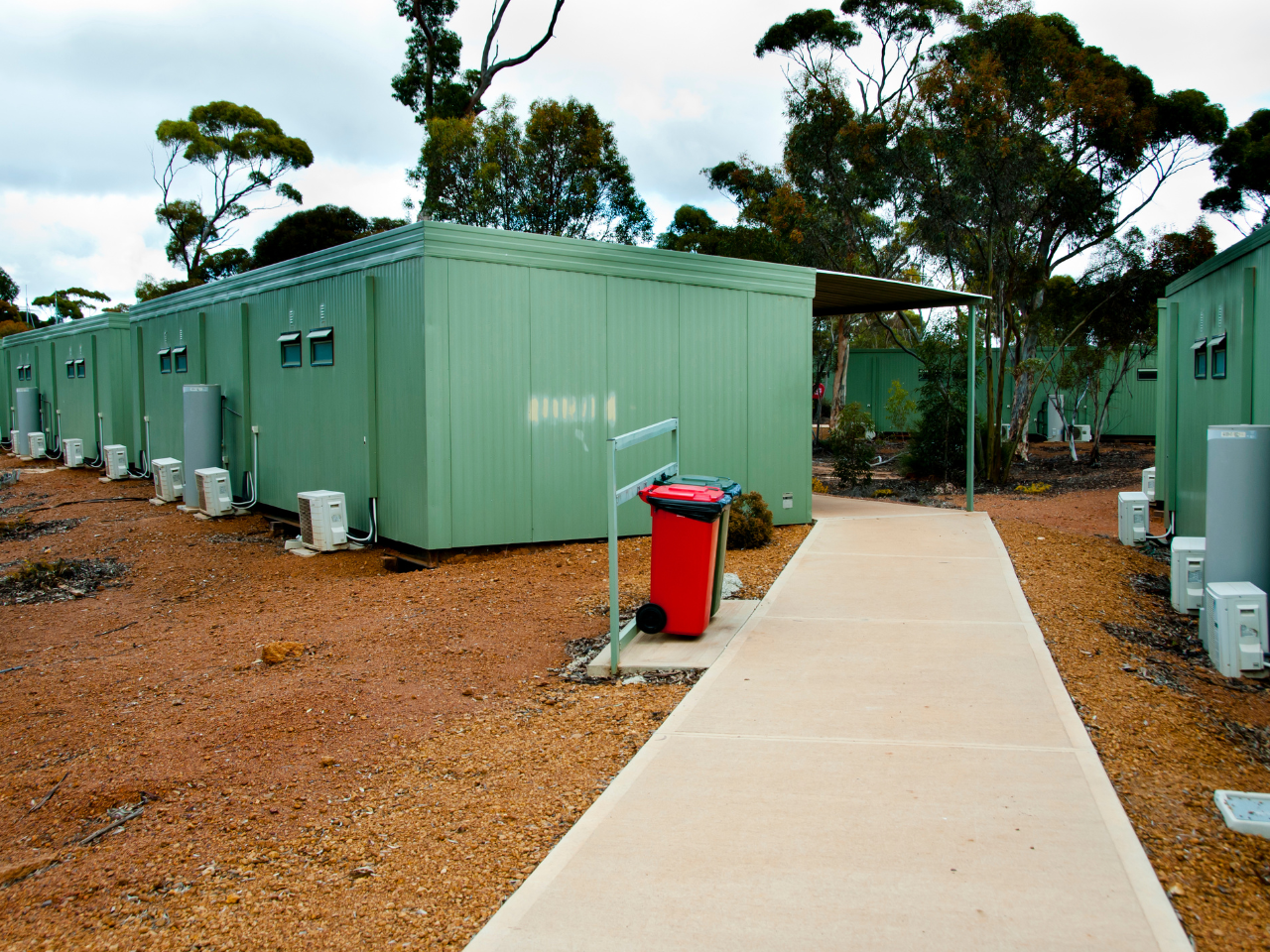
There isn't one useful answer that applies across the mining sector.
The better question is: how quickly does each part of this crib room require attention?
A cleaning schedule should take into account how many workers use the space, when it is busiest, how quickly waste accumulates and how much dirt or dust is being brought into the room.
Shift patterns can matter too. A crib room receiving concentrated periods of use around breaks or shift changes can have different requirements from an area with relatively steady traffic throughout the day.
This is why cleaning frequency and cleaning scope need to be considered together.
Increasing the number of cleaning visits won't necessarily fix a problem if the task causing the issue isn't included in the scope. Equally, a detailed scope won't achieve much if heavily used areas aren't being serviced often enough.
For some facilities, the answer may be a combination of frequent routine tasks and less frequent periodic work, with different tasks completed at different intervals.
Where Regular Cleaning Ends and Deep Cleaning Begins
Regular cleaning manages the ongoing use of the crib room. Deep cleaning addresses areas that require more intensive attention than is practical or necessary during every routine service.
Floors are an obvious example, but the same principle can apply to other parts of a facility depending on its surfaces, condition and cleaning scope.
A deep clean shouldn't become the solution every time routine cleaning falls behind.
If the same area repeatedly requires intensive cleaning, it's worth asking why. The regular cleaning frequency may need to change, or the scope might no longer match how the facility is being used.
Alternatively, the problem may have reached the point where cleaning cannot resolve it.
Sometimes the dirt can be cleaned. Sometimes the surface underneath it needs attention.
When a Cleaning Issue Becomes a Maintenance Issue
Routine cleaning can maintain a surface, but it cannot repair physical damage. Once flooring, walls, fixtures or other parts of a crib room are damaged, increasing the cleaning frequency will not address the underlying problem.
This distinction can be particularly relevant across mine site facilities. Some buildings and fit-outs are designed with practical, modular or temporary use in mind, while still experiencing regular use over extended periods. Over time, marks, knocks and general wear can develop into issues that sit outside the cleaning scope.
A marked wall may need cleaning. A hole in that wall needs repairing. The same principle applies to damaged shelving, deteriorating fixtures and flooring that has reached the point where cleaning alone will not improve its condition.
For facilities teams, recognising that difference helps determine where the cleaning scope ends and crib maintenance begins. It also avoids repeatedly treating a maintenance problem as though a more intensive clean will solve it.
Mine Site Crib Room Floors Are a Good Example
Floors demonstrate particularly well how the requirements of a facility can change over time.
Regular floor cleaning manages the dirt and dust generated through everyday use. Periodic or deep cleaning addresses more intensive cleaning requirements. Neither changes the physical condition of the floor once the surface itself requires attention.
MCD recently completed a crib room floor refresh, which provides a practical example. The project addressed the existing floor itself and refreshed the space.
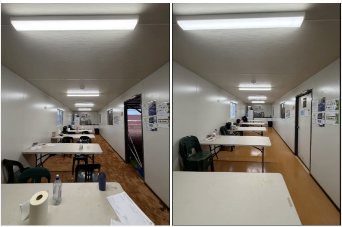
A floor does not necessarily need more cleaning because it looks tired. Likewise, visible deterioration elsewhere in a crib room should not automatically become another task added to the cleaners' checklist.
Sometimes the appropriate next step is maintenance.
Regular Cleaning Can Also Reveal Maintenance Requirements
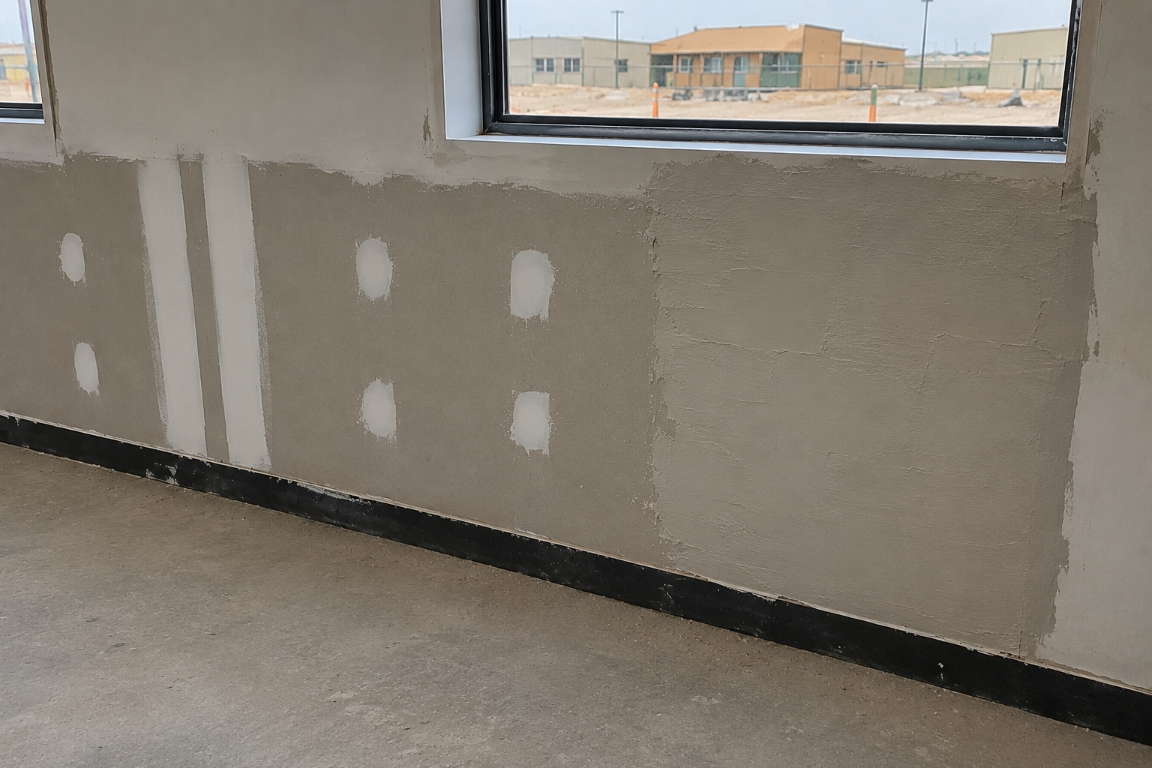
Cleaners regularly working through a crib room see the same floors, walls, furniture, fixtures and shared amenities over time. While their role is to complete the agreed cleaning scope, regular access can make changes in the condition of the space more apparent.
If a problem remains after cleaning, keeps returning despite the correct cleaning approach, or involves physical damage rather than build-up, the next step may be a maintenance assessment.
A practical approach to proper crib maintenance therefore considers both cleanliness and condition. Cleaning manages the ongoing effects of use, while maintenance addresses the parts of the facility that need to be repaired, refreshed or restored to a serviceable condition.
Cleaning and Practical Maintenance Can Form Part of the Same Facility Plan
On a mine site, a crib room is rarely the only facility requiring attention. Mining operations can include offices, amenities, accommodation facilities and other shared spaces, each with its own cleaning and maintenance requirements.
Managing these requirements can also mean managing several contractors, scopes and points of contact. Where services overlap, having a provider capable of supporting more than one aspect of facility upkeep can simplify some of that coordination.
This is where MCD's broader capability becomes relevant. In addition to commercial cleaning, mine site cleaning and deep cleaning services, MCD provides building and practical maintenance support, including carpentry-related work.
That combination allows facilities teams to consider the appropriate response to each issue as part of the wider upkeep of the site.
Crib Rooms Are One Part of a Larger Mine Site
The same thinking can be applied beyond crib rooms.
Mining camps and operational sites contain facilities with different patterns of use. A crib room used heavily around shift breaks will have different requirements from accommodation, an administration area or another lower-use facility.
This is one of the reasons mine site cleaning needs to reflect the mining operation itself. The most useful scope accounts for how facilities are used, which areas require more frequent attention and where additional services may be required over time.
For a broader look at these differences, see What Makes Mine Site Cleaning Different?
Mine Site Crib Room Cleaning and Maintenance in the Goldfields
MCD Group provides commercial and mine site cleaning alongside deep cleaning and building maintenance services across Kalgoorlie-Boulder and the Goldfields.
For mining facilities, that broader capability means cleaning and practical maintenance requirements can be considered within the wider needs of the site.
If you are reviewing the cleaning or maintenance requirements of a crib room or other mine site facilities, contact MCD Group online or call 0480 020 821 to discuss the site and the services required.
Frequently Asked Questions
What should be included in mine site crib room cleaning?
The scope should reflect how the crib room is used. Depending on the facility, this can include floors, tables and seating, bins, meal areas, entrances, shared amenities and other agreed surfaces or fixtures. Different areas may require different cleaning frequencies.
How often should a mine site crib room be cleaned?
There is no single cleaning frequency suitable for every crib room. Usage levels, shift patterns, foot traffic, dust, waste volume and the tasks included in the cleaning scope should all influence the schedule.
When does a crib room need deep cleaning?
Deep cleaning may be appropriate when an area requires more intensive work than is included in regular cleaning. If the same problem repeatedly requires deep cleaning, review whether the routine frequency and scope still suit the way the facility is being used.
What crib room problems require maintenance rather than cleaning?
Physical damage or deterioration generally requires a different response from dirt or build-up. Damaged walls, flooring, shelving, fixtures and other repair requirements may need building maintenance rather than additional cleaning.
Maintaining the Crib Room Means Looking Beyond the Cleaning Schedule
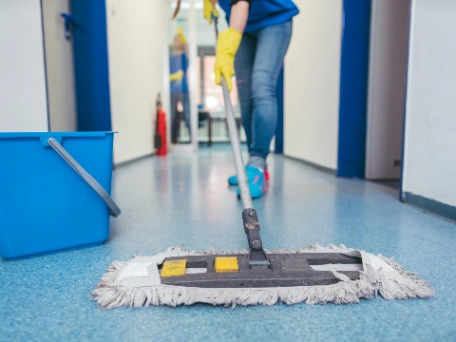
A crib room changes through use. Floors wear, walls get marked or damaged, fixtures age and cleaning requirements can change as the way the facility is used changes.
A good cleaning scope manages the recurring work. Deep cleaning deals with more intensive requirements when they arise. Maintenance addresses the physical condition of the space when cleaning can no longer solve the problem.
Recognising those distinctions helps facilities teams decide what a crib room needs and keep these shared spaces in good condition.