What Property Managers Look for During a Commercial Handover
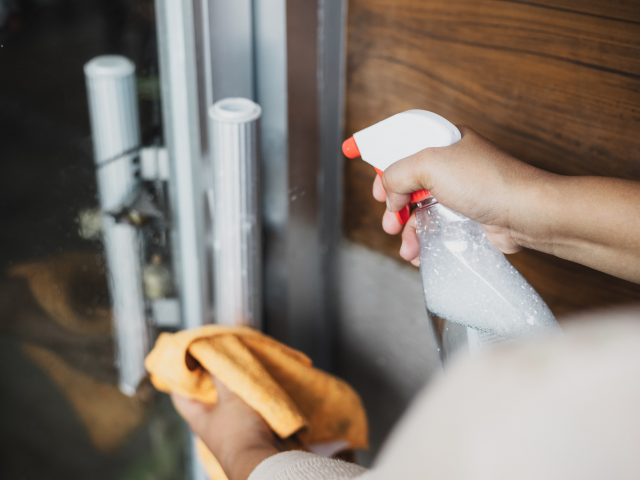
Handover Cleaning Starts Where Routine Cleaning Usually Stops
Understanding what property managers look for during commercial handover starts with recognising that the premises are being viewed differently from during normal occupancy. The focus is no longer simply on maintaining a workable level of cleanliness. The commercial property is being prepared for an inspection, return to a landlord or property owner, occupation by another tenant, or completion of construction and fit-out works.
This changes the role of the clean.
Routine commercial cleaning manages the ongoing requirements of an occupied building. A commercial exit clean deals with the condition left at the end of a tenancy. A builders clean addresses the dust, residue and other cleaning requirements associated with construction or fit-out work. A final handover clean may involve elements of either, depending on why the premises are changing hands.
The required standard should ultimately be determined by the relevant scope, tenancy agreement, construction requirements or other handover documentation. However, the final clean has an important practical purpose in any of these situations: it allows the property to be presented and inspected without avoidable dirt, dust and cleaning residue obscuring its condition.
For commercial property managers, tenants and other stakeholders involved in the handover process, that distinction matters. A clean building is easier to assess than one where cleaning issues and property-condition issues are still mixed together.
The Main Surfaces Are Rarely Where a Handover Clean Falls Short
Large, visible areas naturally receive attention during commercial exit cleaning and builders cleaning. Floors are cleaned, bathrooms are addressed and obvious construction dust is removed. The smaller details around those areas can have just as much influence on whether the premises appear ready for handover.
Window tracks can retain dust even after the glass has been cleaned. Skirting, ledges and the tops of low fixtures can collect fine particles that are less obvious at first glance. Joinery may look clean externally while dust remains inside cupboards or drawers. Door frames, handles, switches, corners and floor edges can also reveal where a final clean has stopped short of the detail required.
Commercial construction and fit-out work can introduce another set of details. Stickers, labels, protective materials and residues may remain on newly installed surfaces. Fine construction dust can settle well beyond the immediate work area and on surfaces at different heights throughout the building.
This is why a useful handover checklist should consider more than broad room categories. The final presentation of a commercial property often depends on the junctions and details between the obvious surfaces: where the floor meets the skirting, where glass meets the frame, around fittings and hardware, inside joinery and along tracks and thresholds.
The cleaning method and product also need to suit the material being addressed. Glass, stainless steel, tile, carpet and different floor finishes should not automatically receive the same treatment simply because they are located within the same premises.
A Proper Clean Can Expose What Actually Needs Rectification
One of the most useful outcomes of a thorough handover clean is that it creates a clearer picture of the property's actual condition.
During occupancy or construction, dirt can make that distinction less obvious. A mark on a wall may disappear when cleaned, while another remains because the surface itself is damaged. A floor may initially appear to need further cleaning, only for wear or deterioration to become apparent once dust and residue have been removed. Shelving can be dirty, damaged or both.
The same principle applies following a builders clean. Once construction dust, fingerprints, labels and appropriate surface residues have been addressed, remaining defects are easier to separate from cleaning issues.
This distinction is particularly valuable before an inspection or exit inspection because repeatedly cleaning a damaged surface will not rectify the underlying problem. At that point, the requirement may move from cleaning into building maintenance, minor repairs or other rectification work.
For MCD Group, this is also where commercial cleaning and practical maintenance can logically intersect. Cleaning can restore a surface where the problem is dirt or residue. Where the clean reveals physical damage, damaged shelving, wall repairs or other maintenance requirements, a different response may be required.
The objective during handover is not to make every problem a cleaning problem. It is to leave the premises clean enough that the remaining condition can be properly understood.
An Empty Tenancy and a Finished Fit-Out Leave Very Different Cleaning Jobs
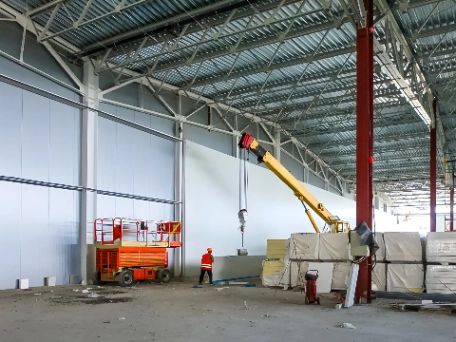
Commercial handover can describe several different situations, and the reason for the handover influences what the cleaning service needs to address.
At the end of a commercial lease, exit cleaning is generally concerned with an occupied tenancy being returned after use. Depending on the premises and agreed scope, this can involve accumulated dirt, floor cleaning, bathrooms and amenities, internal surfaces, cupboards, glass and other areas that formed part of the occupied space.
A construction or fit-out handover begins from a different position. The premises may be new or newly refurbished, but that does not mean they are ready for occupation. Construction dust can settle across floors, joinery, fixtures and ledges. Glass and stainless steel can show fingerprints and handling marks. Packaging residue, labels and other remnants of installation may still require attention.
The difference is important because a builders clean should not simply be treated as a larger version of routine office cleaning. The source of the cleaning requirement is different, and the products and methods used need to reflect the surfaces and residues present.
There can also be overlap. A commercial tenancy may undergo alterations before being returned, or an existing building may be refurbished before new tenants take occupancy. In these situations, the final cleaning scope needs to reflect what has actually occurred within the property rather than being defined only by whether the job is labelled an exit clean or a builders clean.
For property managers and anyone coordinating the handover, the more useful question is therefore not simply, "Has the property been cleaned?" It is whether the cleaning scope reflects the condition of the premises and the type of handover taking place.
A Final Clean Is Only Final if the Work Is Actually Finished
The timing of a handover clean can be almost as important as the cleaning itself. If contractors or trades still have work to complete, areas that have already been prepared can quickly require attention again.
A return visit to adjust joinery, complete minor repairs or finish installation work can introduce footprints, fingerprints, packaging and construction dust back into the premises. Even relatively minor work can affect an area that had previously been ready for inspection.
For this reason, the final cleaning stage should be coordinated with the broader handover process rather than treated as an isolated task. Where possible, substantial works should be completed before the detailed final clean, with any remaining touch-ups accounted for before the property is presented.
This is particularly relevant for builders cleaning and commercial fit-outs. Cleaning too early can result in duplicated work, while leaving it too late can create unnecessary pressure immediately before the inspection or handover date.
A well-planned sequence gives cleaners the opportunity to address the property after the work that created the dust, residue and handling marks has been completed.
Some Handover Issues Cannot Be Cleaned Away
A clean commercial property is easier to assess, but cleaning cannot correct every issue uncovered during preparation for handover.
A marked wall may need cleaning. A damaged wall needs repair. Dirty shelving can be cleaned, while damaged shelving may require maintenance or carpentry work. Floor residue may respond to an appropriate cleaning treatment, while scratches, deterioration or physical damage remain property-condition issues.
Recognising that boundary can prevent unnecessary repeat cleaning and help clarify what needs to happen next.
This is particularly useful where exit cleaning, builders cleaning and building maintenance are being coordinated around the same handover. Once cleaning has removed the dirt and residue, remaining maintenance requirements can be identified separately rather than repeatedly treating them as cleaning problems.
MCD Group's broader service capability is relevant here. Alongside commercial cleaning, the business provides building maintenance and practical carpentry-related services, allowing related cleaning and maintenance requirements to be considered as part of preparing commercial facilities for handover.
This does not mean every defect is a maintenance task for the cleaning contractor. Specialist work should still be handled by appropriately qualified providers where required. The advantage is recognising early when a problem has moved beyond the cleaning scope.
One Cleaner Won't Cover Every Surface at Handover
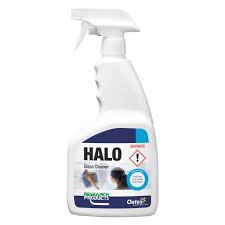
A commercial handover can bring a wide range of surfaces into focus at the same time. Glass, stainless steel, tiled areas, washrooms and different floor finishes can all require attention before the premises are ready for inspection.
The cleaning products selected should reflect those differences.
MCD's own commercial cleaning product range illustrates the point. AGAR VENUE is formulated for surfaces including glass, stainless steel and chrome, making it relevant to detailed cleaning where fingerprints, oils and surface marks need attention. AGAR Fresco has applications across washrooms, showers, toilets and ceramic tiled areas.
Floor cleaning can require another product again. Products such as AGAR Fresh Mop and AGAR Shiny Wash have particular floor-care applications rather than being universal cleaners for every floor surface.
More specialised cleaning requirements demonstrate the distinction even further. AGAR Acid Wash has specific applications that include mineral deposits and excess grout on newly laid ceramic tile floors. Its relevance to a builders clean is not that every construction handover requires acid washing, but that certain post-construction residues can require a product selected specifically for that task and suitable surface.
The same principle applies throughout professional commercial cleaning. The objective is not to use the strongest available chemical across the building. It is to identify the surface and cleaning requirement, then select an appropriate product and method in accordance with the product directions.
For a more detailed explanation of this process, see Why Do Commercial Cleaners Use Different Cleaning Products for Different Surfaces?
Getting a Commercial Property Ready for the Final Walk-Through

The final walk-through should not be the first time anyone discovers that construction dust remains inside joinery, a floor needs further attention or an apparent cleaning problem is actually physical damage.
Preparing earlier creates an opportunity to separate outstanding work into the correct categories. Cleaning items can be completed as part of the exit or builders cleaning scope. More intensive cleaning requirements can be identified where a routine approach is insufficient. Maintenance or rectification items can then be addressed separately where required.
For the property manager, landlord, tenant or client coordinating the handover, this also creates clearer information about what remains outstanding before the premises change hands.
The relevant lease, tenancy agreement, construction scope and handover documentation should always determine the formal obligations of the parties involved. Cleaning does not replace those requirements. Its role is to prepare the physical space so that avoidable dirt, dust and residue do not become additional issues during the final inspection.
Commercial Exit Cleaning, Builders Cleaning and Maintenance Support in the Goldfields
MCD Group supports commercial facilities across Kalgoorlie-Boulder and the Goldfields with services relevant to different stages of a property handover.
This includes commercial cleaning, exit cleaning, construction cleaning, deep cleaning and building maintenance support. Rather than treating every handover as the same cleaning job, the required service can reflect whether the premises are being vacated, have recently undergone construction or fit-out works, require more intensive cleaning, or have maintenance items that cleaning alone cannot resolve.
This broader capability can be particularly useful when several requirements become apparent as the property is prepared for handover. The goal is not to turn every issue into one scope of work, but to make it easier to identify what requires cleaning, what requires deeper attention and what has become a maintenance issue.
To discuss cleaning or maintenance requirements for an upcoming commercial handover, contact MCD Group online or call 0480 020 821.
Questions to Consider Before a Commercial Property Handover
What's the Difference Between an Exit Clean and a Builders Clean?
A commercial exit clean generally prepares premises at the end of a tenancy or period of occupancy. A builders clean addresses cleaning requirements resulting from construction, renovation or fit-out work. These can include fine construction dust, handling marks, labels and appropriate post-construction residues.
Some commercial handovers involve elements of both, particularly where work has been completed before a tenant vacates or before new occupancy begins.
When Should the Final Handover Clean Be Completed?
The final detailed clean should be coordinated with the completion of other work wherever possible. If trades return after cleaning has been completed, dust, footprints, fingerprints and other debris can be reintroduced.
The appropriate timing will depend on the project and handover schedule, but cleaning should form part of the overall handover planning rather than being added without considering what work remains.
What Happens if Damage Is Found During the Final Clean?
Cleaning can sometimes reveal damage that was previously obscured by dirt, dust or residue. Where the issue is physical damage rather than something that can be cleaned, it should be treated as a maintenance or rectification matter and assessed accordingly.
The relevant property owner, tenant, landlord, property manager or other responsible stakeholder may then need to determine how the issue is handled under the applicable agreement or project requirements.
Does a Builders Clean Include Removing Construction Residue?
It can, but the exact inclusions should be established in the agreed cleaning scope. Different residues and surfaces can require different products and methods, and not every mark should automatically be treated with the same cleaning agent.
A clear scope before work begins helps establish what is included and reduces ambiguity during the final inspection.
A Successful Handover Makes the Property's Condition Clear
Commercial handover cleaning is most effective when it does more than create a good first impression. It should leave the premises in a condition where the cleaning work is complete and the remaining condition of the property can be clearly understood.
That requires attention to more than the largest visible surfaces. Tracks, edges, joinery, fittings, floor finishes and post-construction residues can all affect whether a commercial space appears genuinely ready for handover.
It also requires knowing where cleaning ends. Once dirt, dust and residue have been properly addressed, remaining wear, damage or defects need to be treated for what they are.
For property managers, tenants, owners and other stakeholders, that distinction can make the final handover process considerably clearer.