Why Local Experience Matters in Regional Commercial Cleaning
Commercial cleaning in Kalgoorlie-Boulder and the Goldfields comes with considerations that businesses in larger cities may not encounter to the same extent. From dust and industrial activity to the distance between regional facilities, the local environment can influence how cleaning services need to be planned and delivered.
For businesses choosing a commercial cleaning company, local experience should mean more than knowing the area. It should help a contractor understand the conditions affecting a building, the way different facilities operate and the practical requirements of maintaining them over time.
This is particularly relevant across the Goldfields, where commercial offices, mining operations, industrial sites and workers' accommodation can have very different cleaning needs. A cleaning schedule that suits one building may be unsuitable for another, even when both are located in the same town.
Commercial Cleaning in Kalgoorlie and the Goldfields Comes With Different Challenges
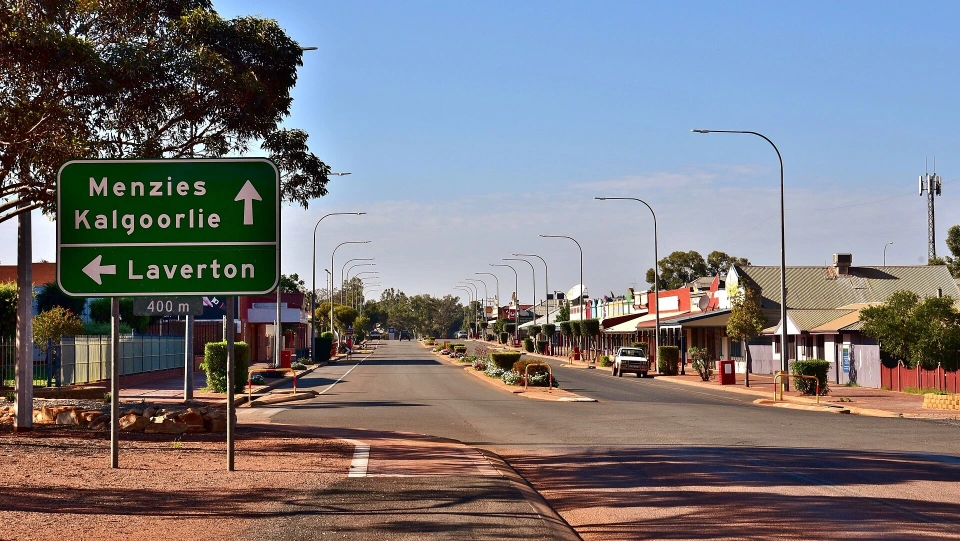
Kalgoorlie-Boulder is a major centre for businesses supporting mining, transport, construction and other regional industries. The buildings used by these businesses range from conventional offices and retail premises to industrial workshops, accommodation facilities and mine-site amenities.
The variety of these environments creates different demands for commercial cleaners.
An office in central Kalgoorlie may need regular attention to floors, bathrooms, kitchens and shared workspaces. An industrial facility in West Kalgoorlie may have different cleaning priorities because of its layout, surrounding activity and the way workers move between operational and indoor areas.
A FIFO accommodation facility introduces another set of considerations, including room changeovers, shared bathrooms, dining facilities and areas used by different occupants throughout the week.
Location also affects service planning. Cleaning a commercial property within Kalgoorlie-Boulder is not necessarily the same as arranging ongoing work at a facility near Kambalda or a more remote Goldfields location.
Travel, access arrangements, operating hours and the availability of suitable equipment all need to be considered when establishing the work.
This is where regional knowledge becomes useful. A contractor who understands these considerations is better placed to ask the right questions before recommending a cleaning scope, rather than assuming that a standard arrangement will suit every facility.
The Dust Doesn't Stay Outside: How Goldfields Conditions Affect Commercial Buildings
Dust is one of the more recognisable features of the Goldfields environment, but its impact on commercial cleaning depends on the location, building and surrounding activity.
Buildings near industrial operations, unsealed areas or locations with frequent vehicle movements may experience different levels of dust entering the premises. Even within the same facility, entrances and high-traffic areas can require more attention than rooms with limited use.
Dust can accumulate on floors, furniture, window ledges and other exposed surfaces. It can also be carried indoors on footwear and clothing, particularly where workers move between outdoor operational areas and indoor facilities.
For commercial cleaning services, the important question is how these conditions affect the cleaning program.
A business may find that its entrance flooring needs more frequent attention than its meeting rooms. Another facility may need additional surface cleaning in areas exposed to ongoing dust. Carpet cleaning and periodic floor care may also need to be considered alongside routine cleaning, depending on the materials and how they are used.
Simply increasing the frequency of every cleaning task is not always the best answer.
A more useful approach is to identify where dust enters, which areas are affected and whether the existing cleaning methods are appropriate for the surfaces involved.
This allows the cleaning schedule to respond to actual conditions rather than treating every part of a commercial building in the same way.
Why Different Goldfields Industries Need Different Commercial Cleaning Services
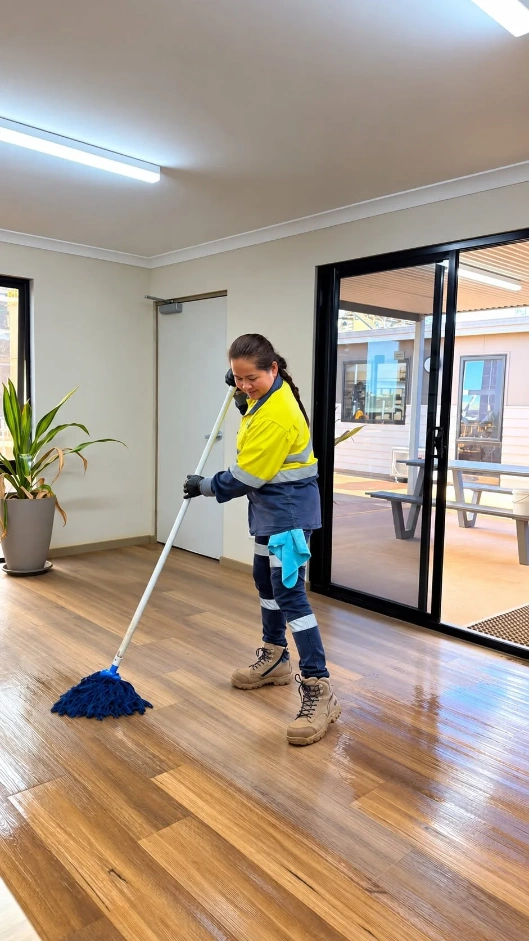
One of the challenges in regional commercial cleaning is the range of facilities that can fall under a single service category.
The term commercial cleaning may describe anything from routine office cleaning to more involved cleaning requirements within industrial or mining environments. The tasks, frequencies and equipment can vary considerably.
Commercial offices and business premises
Office cleaning generally focuses on maintaining workspaces, shared amenities, floors and frequently used areas. The scope may also include periodic carpet cleaning, window cleaning or deeper attention to particular surfaces, depending on the property.
Industrial buildings and workshops
Industrial cleaning requirements depend heavily on the activities taking place within the facility. Offices, lunchrooms and amenities attached to industrial sites may need different cleaning methods and frequencies from those used in operational areas.
Not every industrial task falls within the scope of general commercial cleaning. More specialised work should be assessed separately rather than assumed to be included.
Mine-site facilities
Mine-site cleaning can involve offices, crib rooms, shared bathrooms, accommodation and other support buildings. These areas may have different occupancy patterns, access requirements and cleaning priorities.
A crib room used throughout a shift, for example, presents a different cleaning task from an office with limited daily occupancy.
FIFO and workers' accommodation
Accommodation cleaning introduces routine room servicing, room changeovers and shared facilities into the cleaning program. Bathrooms, kitchens, common areas and laundry-related requirements may all need to be considered.
These differences matter when comparing commercial cleaning contracts. Two facilities may require the same number of cleaning visits each week while needing very different work completed during those visits.
A professional cleaning scope should reflect the activities taking place within the building, not simply the type of business operating there.
Why Distance and Site Access Can Change the Cleaning Plan
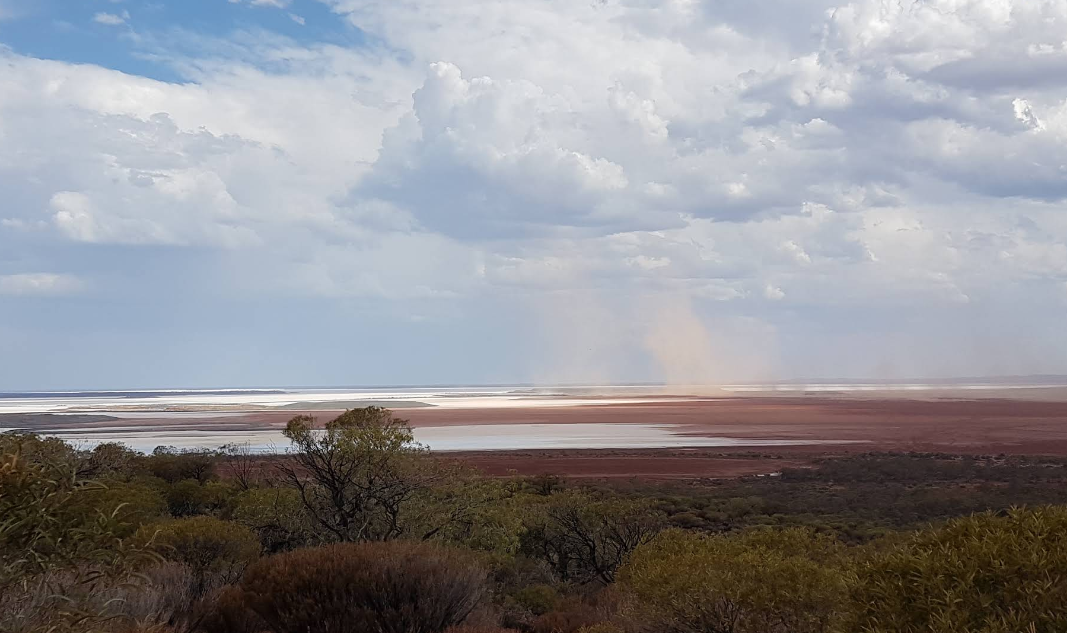
Across regional Western Australia, the distance between facilities can become an important part of planning cleaning services.
Kalgoorlie-Boulder contains a concentration of commercial and industrial properties, but businesses operating throughout the wider Goldfields may also have facilities in towns such as Coolgardie, Kambalda, Leonora, Laverton, Menzies and Norseman.
For work outside the main urban area, the location can influence how cleaning visits are arranged and how additional requirements are managed.
Travel is one consideration, but it is not the only one. A contractor may also need to understand when a facility can be accessed, whether cleaning must take place outside normal operating hours and how the work fits around other activities on site.
These details become particularly relevant for ongoing commercial cleaning contracts.
A cleaning arrangement that works well for a single office may need a different approach when the client operates multiple buildings or facilities spread across several locations.
Before agreeing to a service, businesses should have a clear understanding of what is included, how the cleaning schedule will operate and how work outside the regular scope will be discussed.
The objective is not necessarily to clean every building in the same way or at the same frequency. It is to establish an arrangement that suits each facility while remaining practical to coordinate.
A Cleaning Schedule Can Look Right on Paper and Still Miss the Mark
A cleaning schedule may specify the correct number of visits without accurately reflecting what a building needs.
This can happen when a scope is based mainly on the size of the premises rather than how the space is used.
Consider two commercial offices of similar size. One has a small team working standard business hours. The other has a larger workforce, frequent visitors and shared amenities used throughout the day.
Both buildings may have similar floor areas, but their regular cleaning requirements could be quite different.
The same issue can arise when a business changes over time. Staff numbers increase, rooms are used differently, new facilities are added or operational hours change, while the original cleaning scope remains unchanged.
For commercial cleaners, understanding the building's current use is essential when determining suitable cleaning frequencies.
A useful cleaning assessment should consider:
- Occupancy and foot traffic: How many people use the building and which areas receive the most activity?
- Shared facilities: Do bathrooms, kitchens and other amenities need more frequent attention than surrounding areas?
- Floor and surface materials: Are different cleaning products or methods required?
- Routine and periodic work: Which tasks belong in regular cleaning, and which require scheduled deep cleans?
- Operational requirements: When can cleaning take place without unnecessarily interrupting the business?
These questions help establish a cleaning program based on the facility's actual requirements.
They also provide a useful starting point when reviewing an existing contract. If the cleaning standard is no longer being maintained, the issue may not simply be the performance of the cleaning team. The agreed scope may no longer match the building's use.
For businesses operating in the Goldfields, this is one of the practical advantages of working with commercial cleaners who understand the variety of facilities and operating environments found throughout the region.
Why the Right Cleaning Products and Methods Matter in Regional Facilities
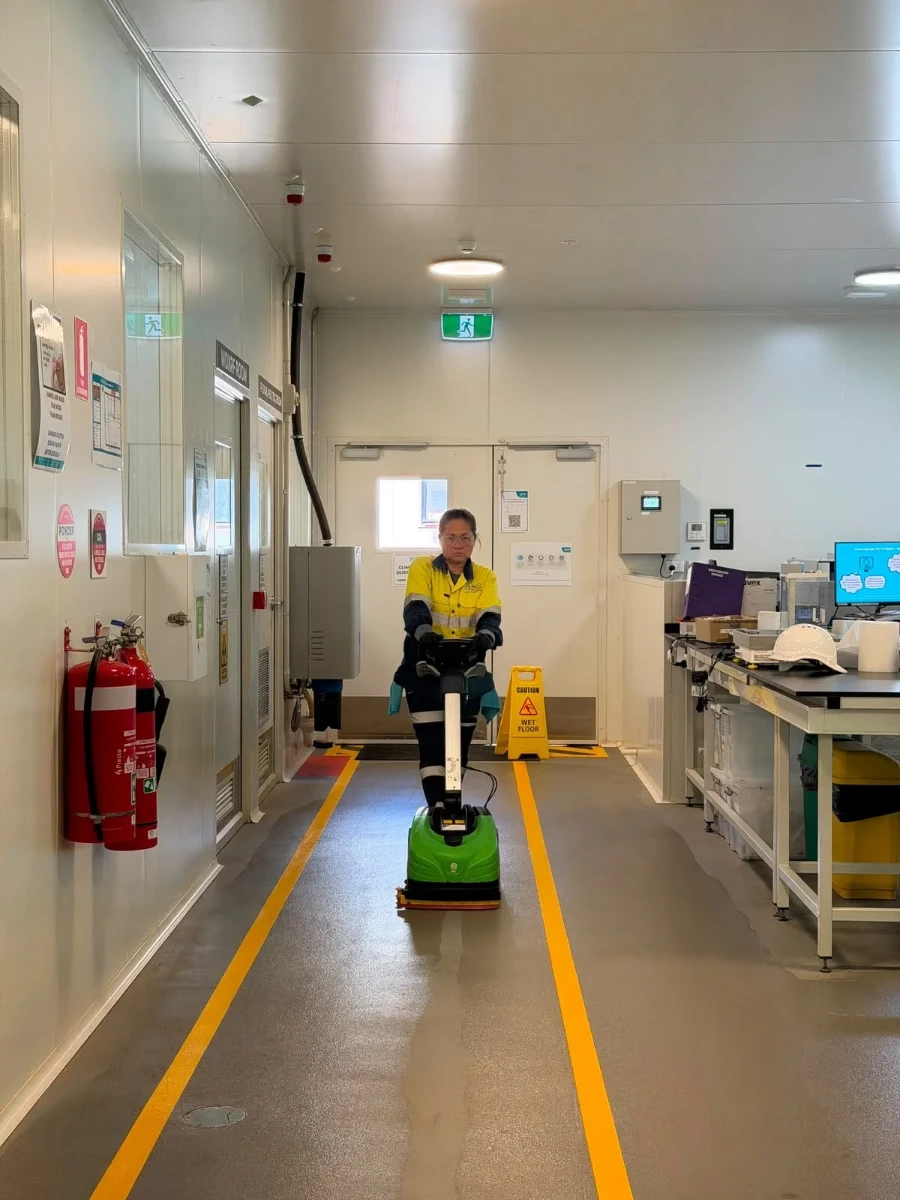
A cleaning schedule establishes what needs to be done and how often, but the products and methods used are just as important.
Commercial buildings can contain a wide range of surfaces, including carpet, vinyl, tiles, glass, stainless steel and painted finishes. These materials do not all respond to the same cleaning products, particularly when different types of dirt and residue are involved.
For example, removing dust from an office floor is a different task from addressing soap scum in a shared bathroom or accumulated residue on a heavily used commercial surface.
Professional cleaners need to consider the material, what needs to be removed and whether the product is suitable for that application.
Using a stronger product is not automatically a better solution. An unsuitable product or cleaning method can affect the surface being treated, even when the intention is to achieve a more thorough clean.
This is particularly relevant when a commercial cleaning company is responsible for several buildings with different finishes and cleaning requirements.
For businesses comparing cleaning services, it is worth asking how the contractor selects products and equipment for different areas. The answer should reflect the surfaces and cleaning tasks involved rather than relying on a single approach for every building.
MCD Group explores this topic further in Why Do Commercial Cleaners Use Different Cleaning Products for Different Surfaces?
When More Cleaning Isn't the Answer
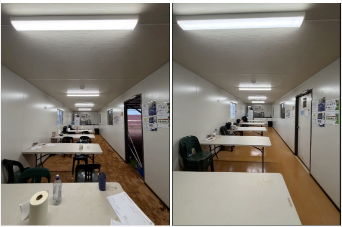
Some of the most important decisions in facility upkeep involve recognising when a problem has moved beyond cleaning.
A floor that looks worn may not need another deep clean. A damaged wall will not improve through repeated surface cleaning, and deteriorating fixtures may require maintenance rather than a different cleaning product.
This distinction matters because cleaning and building maintenance can sometimes address different aspects of the same facility problem.
An example is MCD Group's Crib Room Floor Refresh: Before and After project.
The floor of a mine-site crib room had reached a condition where routine cleaning alone was not going to achieve the required improvement. Rather than treating it as another cleaning task, the work involved refreshing the floor itself.
The project demonstrates an important consideration for commercial and mining facilities: identifying the right type of work can be more useful than repeatedly applying the same solution.
For regional businesses managing several properties, it can also help to understand which requirements fall within regular cleaning, which need periodic deep cleaning and which should be assessed as building maintenance.
MCD Group provides commercial cleaning alongside practical building maintenance services across the Goldfields, allowing clients to discuss related facility requirements rather than treating every issue as an isolated cleaning problem.
Commercial Cleaning Across Kalgoorlie-Boulder and the Wider Goldfields
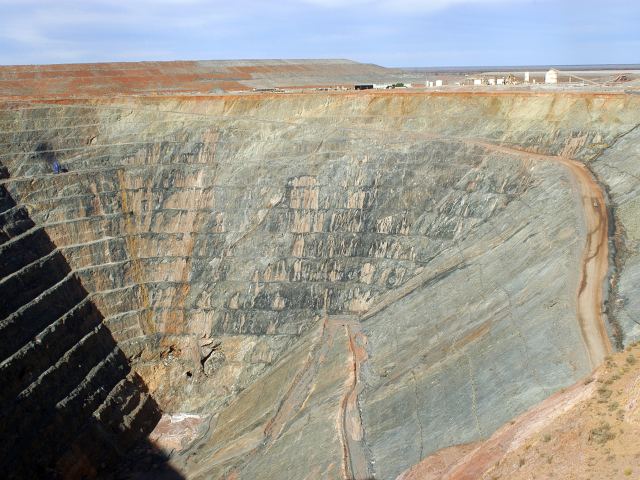
Kalgoorlie-Boulder is the main commercial centre of the Goldfields, with businesses operating across a mix of office, retail, industrial and mining-related environments.
Within the city, commercial cleaning requirements can vary between central Kalgoorlie and Boulder, established residential and business areas such as Hannans, Lamington, Piccadilly and Somerville, and locations including South Kalgoorlie, West Kalgoorlie, Broadwood, Williamstown, Karlkurla, South Boulder and Victory Heights.
The type of facility and its day-to-day use are generally more useful for determining the cleaning scope than the suburb alone.
A commercial office, an industrial support building and a shared accommodation facility can each require a different combination of routine cleaning, periodic work and maintenance attention.
Beyond Kalgoorlie-Boulder, businesses in Goldfields locations such as Kambalda, Coolgardie, Menzies, Leonora, Laverton and Norseman may have additional considerations involving travel, access and service coordination.
MCD Group works within the Kalgoorlie-Boulder and Goldfields market, supporting businesses with commercial cleaning and related facility services. Organisations in surrounding regional locations can contact the team to discuss their requirements, with arrangements depending on the location and scope of work.
For businesses managing more than one property, the important starting point is understanding what each facility needs and how the work can be organised.
What Should Businesses Look for in a Regional Commercial Cleaning Company?
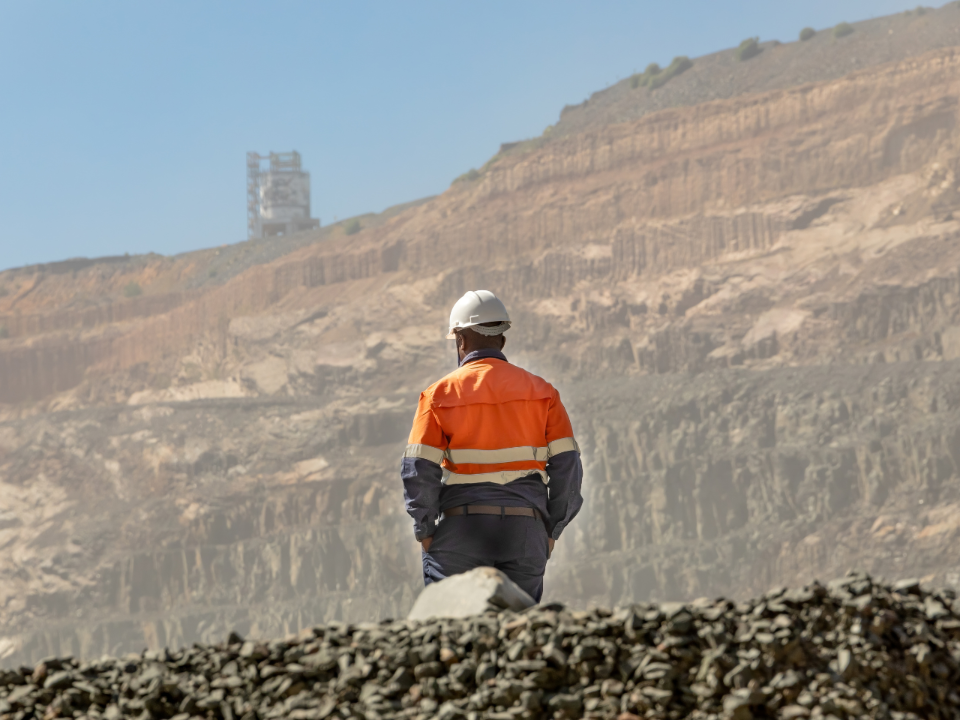
Local knowledge is useful, but it should not be the only reason to choose a cleaning contractor.
A business should also be able to understand how the proposed service will work, what is included and how the contractor intends to maintain the agreed cleaning standard.
When comparing commercial cleaning services, the following questions can help identify whether a provider has properly considered the facility
|
What to ask |
Why it matters |
|
Has the contractor considered how the building is used? |
Cleaning frequency should reflect occupancy, shared facilities and the activities taking place on site. |
|
Are routine cleaning and periodic tasks clearly separated? |
Carpet cleaning, floor care and deep cleans may require different scheduling from everyday work. |
|
Have site access and operating hours been discussed? |
Cleaning arrangements need to fit the practical requirements of the facility. |
|
Are different surfaces and cleaning methods considered? |
Floors, glass, fixtures and other materials may require different products and equipment. |
|
Is the scope clear about what is included? |
Clear expectations help businesses compare quotes and reduce misunderstandings during the contract. |
|
What happens when requirements change? |
A cleaning arrangement may need to be reviewed as the building, workforce or operation changes. |
|
How are problems outside the cleaning scope handled? |
Physical damage and maintenance issues should not automatically be treated as cleaning failures. |
These questions are particularly useful when considering ongoing commercial cleaning contracts.
A lower quote does not necessarily represent better value if it excludes work that another contractor has included. Likewise, a detailed cleaning schedule is only useful if it reflects the actual requirements of the building.
Reliable cleaning depends on more than attending the premises at an agreed time. It also requires a clear understanding of the work, appropriate methods and a practical way to address changes or recurring issues.
For businesses operating across multiple sites, these considerations can become even more important because unclear scopes and repeated problems can create additional work for the people managing the contract.
Commercial Cleaning and Facility Support From MCD Group
MCD Group provides commercial cleaning and related facility services for businesses in Kalgoorlie-Boulder and the Goldfields, with a focus on the practical requirements of commercial and mining environments.
Services include commercial and mine-site cleaning, deep cleaning, commercial laundry and building maintenance support.
These services address different requirements, but they can also be relevant to the same facility. A mine-site operation, for example, may need routine cleaning for offices and shared amenities, periodic deeper cleaning, laundry services for accommodation and practical maintenance when physical issues arise.
For organisations reviewing an existing arrangement or planning a new cleaning contract, the starting point is understanding the facility, its use and the work required.
To discuss commercial cleaning services in Kalgoorlie-Boulder or the wider Goldfields, contact MCD Group online or call 0480 020 821.
Frequently Asked Questions About Commercial Cleaning in the Goldfields
Why does local experience matter when choosing commercial cleaners in Kalgoorlie?
Local experience can help a contractor understand regional conditions, common facility types and practical service requirements. This may include considering dust exposure, industrial activity, access arrangements and the needs of businesses operating across multiple locations.
However, businesses should still assess the proposed cleaning scope, methods and service arrangements rather than relying on location alone.
Does commercial cleaning in the Goldfields include mine-site facilities?
Commercial cleaning can include offices, crib rooms, shared amenities and accommodation facilities associated with mining operations.
The scope depends on the facility and the work required. General cleaning of support buildings should not automatically be confused with specialist industrial or equipment cleaning, which may involve different requirements.
How often should commercial buildings in Kalgoorlie be cleaned?
There is no single schedule suitable for every commercial property.
Cleaning frequency should reflect occupancy, foot traffic, building use, shared amenities and the condition of the surfaces being maintained. Some areas may need daily attention, while other tasks may be completed less frequently or as part of periodic deep cleaning.
Can MCD Group discuss cleaning services for businesses outside Kalgoorlie-Boulder?
Yes. Businesses in surrounding Goldfields locations can contact MCD Group to discuss their commercial cleaning needs.
Service arrangements will depend on the location, facility requirements and scope of work.
Regional Experience Should Make Commercial Cleaning Easier to Manage
The value of local experience is not simply knowing where a building is located. It is understanding the conditions, activities and practical requirements that influence how the building needs to be maintained.
Across Kalgoorlie-Boulder and the Goldfields, commercial facilities can differ considerably in their use, location and cleaning requirements. Dust, occupancy, site access, floor materials and the relationship between cleaning and maintenance can all affect the work involved.
For businesses choosing a commercial cleaning contractor, the most useful experience is the kind that translates into a realistic scope, appropriate cleaning methods and a service arrangement suited to the facility.
That is a stronger foundation for an ongoing cleaning contract than relying on a standard checklist that may not reflect how the building actually operates.