A Practical Guide to Builders Cleaning, Post-Construction Cleaning Stages and Preparing Properties for Final Handover
A builders clean is a specialised cleaning process carried out after construction or renovation work to remove construction dust, dirt, residue and other mess left behind by building activities. Unlike regular cleaning, it focuses on preparing newly constructed or renovated spaces for inspection, handover or occupancy.
Whether it's a commercial build, office refurbishment or residential development, builders cleans can involve several stages of detailed cleaning. The work required depends on the size of the property, the building materials used, the condition of the site and the standard expected at completion.
For builders, developers and project managers, understanding what construction cleaning involves makes it easier to schedule the work, prepare the site and avoid unnecessary delays before handover.
What Is a Builders Clean and How Is It Different from Regular Cleaning?
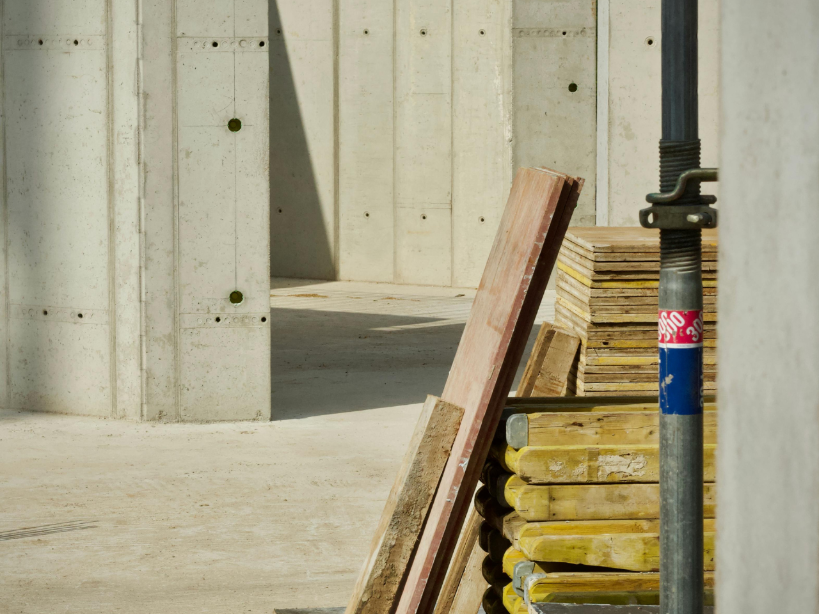
A builders clean, also called post-construction cleaning, addresses the dust and residue generated during building, refurbishment and renovation projects.
Standard cleaning services generally focus on maintaining an occupied property. Tasks such as vacuuming, mopping, wiping surfaces and cleaning bathrooms help manage everyday dirt.
Construction cleaning services address different conditions.
For example, plaster dust can settle across newly installed floors, window tracks, cabinetry, fittings and other surfaces. Adhesive residue, paint splashes and protective films may also remain after construction work.
Removing these materials requires an understanding of the surfaces being cleaned. Newly installed glass, tiles, joinery and floor finishes can be damaged by unsuitable cleaning products or abrasive methods.
Professional builders cleaners therefore need to consider both the type of residue and the materials involved before selecting an appropriate cleaning method.
The aim isn't simply to make a building look tidy. It's to address construction-related contamination and prepare the property for its next stage of use.
The Three Main Stages of Construction Cleaning
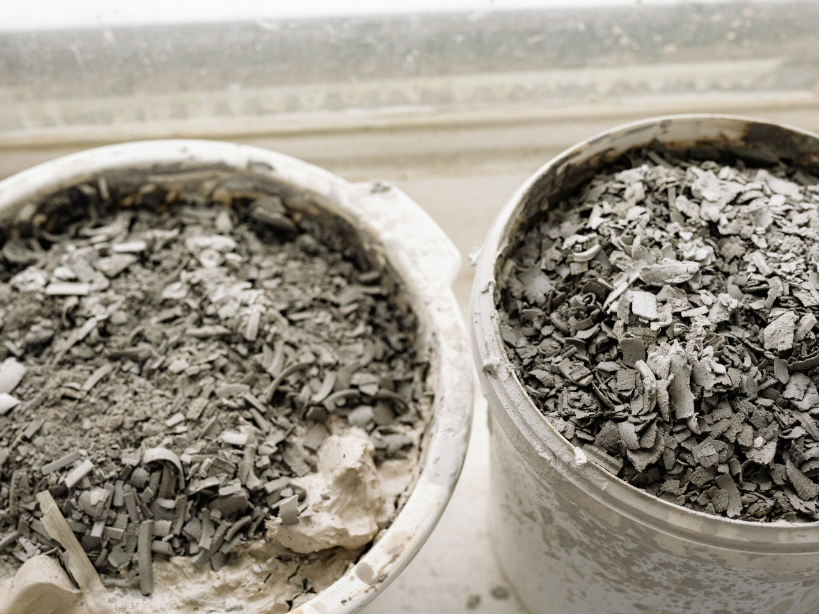
Not every construction project requires three separate cleaning visits. Some smaller renovations may only need one detailed clean, while larger commercial projects may require several cleaning stages as different areas become ready.
Understanding the distinction helps builders and their clients determine what work needs to be completed and when.
1. Initial Builders Clean: Removing Loose Dust and Debris
An initial or rough builders clean generally takes place after substantial building work has been completed in the relevant area.
Its purpose is to address loose dirt, accessible construction dust and manageable debris before more detailed cleaning begins.
Typical tasks may include:
- Removing loose dust and small debris from accessible areas.
- Vacuuming appropriate floor surfaces.
- Wiping accessible ledges and horizontal surfaces.
- Clearing light dust accumulation from corners and edges.
- Preparing areas for more detailed cleaning once finishing trades have completed their work.
A rough clean should not automatically be confused with construction waste removal.
Large quantities of rubble, timber offcuts, packaging and other bulk construction debris may need to be removed by the builder or a dedicated waste contractor before cleaners arrive.
2. Detailed Builders Clean: Cleaning Surfaces, Fixtures and Fittings
The detailed cleaning stage focuses on the fine construction dust, marks and residue that remain after the initial clean.
This is often the most labour-intensive stage because dust can settle into narrow spaces, around fixtures and across newly installed surfaces.
Depending on the agreed cleaning scope, a detailed builders clean may involve:
- Cleaning skirting boards, doors, frames and accessible wall surfaces.
- Removing fine dust from cabinetry, shelves and joinery.
- Cleaning kitchen benchtops, splashbacks and fittings.
- Cleaning bathroom fixtures, mirrors, tiles and accessible surfaces.
- Internal window cleaning and attention to window tracks.
- Floor cleaning using methods appropriate for the installed surface.
- Removing suitable adhesive residue, fingerprints and minor construction marks where safe.
Certain tasks require additional consideration.
For example, floor scrubbing may be appropriate for some commercial hard floors but unsuitable for others. Surface polishing, carpet steam cleaning and pressure washing may be separate specialist services rather than standard inclusions.
Similarly, stubborn paint, cement or adhesive residue should not be removed using methods that could damage newly installed materials.
The detailed cleaning scope should be agreed before work begins.
3. Final Builders Clean: Preparing for Inspection and Handover
The final clean focuses on the presentation of the completed property before inspection day, client handover or occupancy.
Even after a detailed clean, additional dust can accumulate when electricians, painters, installers and other finishing crews return to complete outstanding work.
A final builders clean may therefore involve:
- Removing newly settled dust from accessible surfaces.
- Cleaning fingerprints and marks from doors, fixtures and fittings.
- Checking the presentation of kitchens, bathrooms and shared areas.
- Addressing remaining dust on suitable floor surfaces.
- Cleaning internal glass and mirrors where included.
- Attending to areas affected by finishing trades after earlier cleaning.
For commercial projects, the final cleaning schedule should be coordinated with the builder's completion programme.
Cleaning too early can create unnecessary repeat work. Leaving the final clean until the last moment can make it difficult to address unexpected issues before handover.
Builder's Clean Checklist: What Areas Typically Need Cleaning?
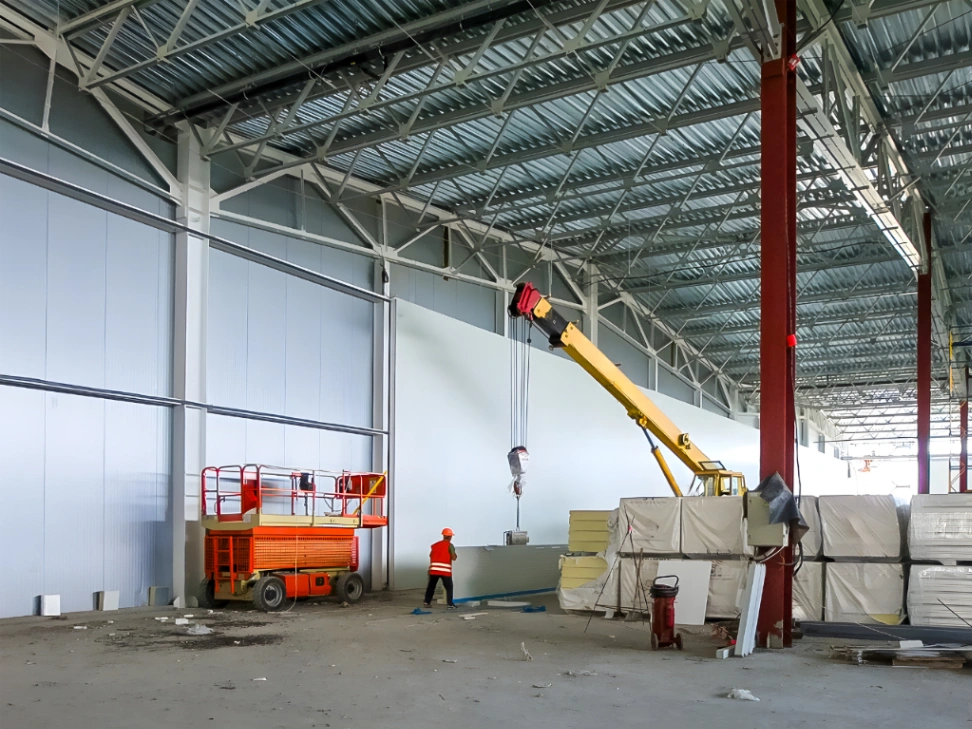
The exact requirements depend on the building type, the condition of the construction site and the agreed scope of work.
The following checklist outlines common areas considered during post-construction cleaning. It can help builders, developers and property owners prepare a cleaning brief.
|
Area |
Typical cleaning requirements |
|
Floors |
Fine dust removal, vacuuming, suitable mopping and attention to edges |
|
Windows and glass |
Dust, fingerprints, protective film residue and accessible glazing |
|
Doors and frames |
Dust on handles, frames, hinges and accessible surfaces |
|
Kitchens |
Benchtops, splashbacks, cabinetry, sinks and fixtures |
|
Bathrooms |
Basins, toilets, mirrors, tiles, fittings and suitable residue removal |
|
Cabinetry and joinery |
Dust on shelves, internal surfaces, skirting boards and ledges |
|
Walls and finishes |
Suitable removal of light dust and marks without damaging finishes |
|
Entrances and corridors |
Dust, dirt and footprints from construction traffic |
|
Site amenities |
Cleaning requirements for toilets, kitchens, change areas and shared facilities |
This is a general checklist, not a guarantee that every task is included in a standard builders clean.
Specialist work, difficult residue removal, external cleaning and bulk waste disposal should be identified separately when requesting a quote.
How Do Builders Cleans Differ Across Construction Projects?
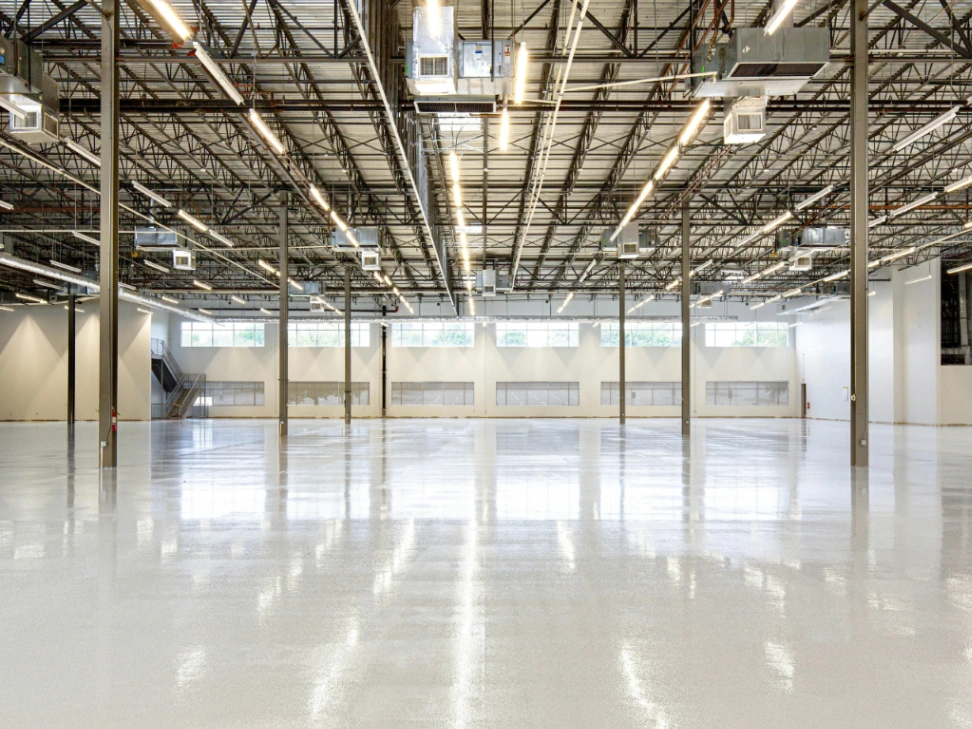
A builders clean for a newly completed office may be very different from cleaning a renovated house, a multi-unit residential development or an industrial facility.
The building's purpose, size, finishes and handover requirements all influence the cleaning approach.
Commercial Builds and Office Cleaning
Commercial builds can involve large floor areas, internal glazing, shared amenities, meeting rooms, kitchens and high-traffic entrances.
New offices and commercial fit-outs may also contain sensitive finishes, installed equipment and extensive joinery requiring careful cleaning.
Construction cleaning for these projects should be planned around the completion of fit-out work, installation activities and final inspections.
Ongoing office cleaning is a separate requirement that may begin once the building becomes operational.
Residential Builders, Homes and Apartments
Residential builders and volume builders may require cleaning across individual homes, apartments or multi-unit developments.
Common considerations include kitchens, bathrooms, wardrobes, internal glazing, floors and newly installed fixtures.
For residential construction, the final presentation of the property can be particularly important before the purchaser's inspection or handover.
The cleaning requirements for a single house will generally differ from those of a large apartment development.
Renovation Cleaning and Refurbishment Projects
Renovation cleaning presents different challenges because construction work may take place within an existing building.
For example, renovations and extensions can generate plaster dust and fine debris that travel beyond the immediate work area.
Larger-scale renovations may require cleaning across both newly completed spaces and adjoining areas affected by construction activity.
Where parts of the property remain occupied, cleaning arrangements may also need to account for access restrictions and ongoing operations.
Industrial and Mining-Related Construction Projects
Industrial construction and mining-related developments may include offices, site amenities, accommodation facilities, kitchens, bathrooms and shared spaces.
These projects can involve additional access requirements, operational restrictions and site-specific cleaning considerations.
Industrial cleaning services and post-construction cleaning are not necessarily the same service. A newly constructed facility may require a builders clean before occupancy, followed by an ongoing maintenance cleaning programme.
For projects in Kalgoorlie and the Goldfields, it is useful to establish the building type, location, site conditions and required cleaning scope before work is scheduled.
How Much Does a Builders Clean Cost?
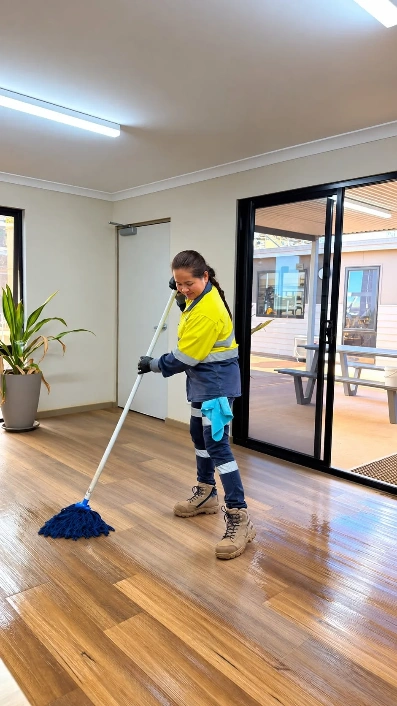
The cost of a builders clean depends on the size and condition of the property, the cleaning tasks required and the stage of construction.
Unlike regular cleaning, where tasks are often predictable, post-construction cleaning can vary significantly between projects. Two buildings with similar floor areas may require very different amounts of work.
For example, a newly completed office with relatively little construction dust may require less cleaning than a similarly sized renovation where plaster dust, adhesive residue and building materials remain throughout the property.
What Factors Affect Builders Cleaning Prices?
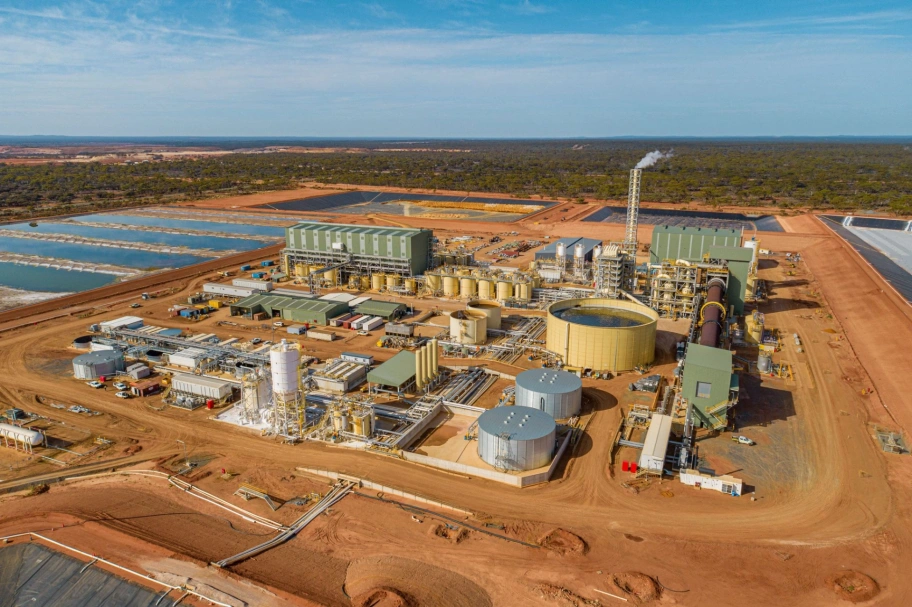
Several factors influence the cost of professional construction cleaning services.
- Property size and layout
Larger buildings generally require more cleaning time, but floor area is only part of the calculation. A property with numerous bathrooms, kitchens, internal partitions and extensive glazing may require more detailed work than an open-plan space of the same size.
- Amount of construction dust and residue
Fine plaster dust, sawdust, paint marks and adhesive residue can increase the time required for detailed cleaning. Some materials also require specialist removal methods to avoid damaging newly installed surfaces.
- Number of cleaning stages
Some projects require one final clean, while others involve an initial clean, detailed builders clean and additional touch-up cleaning before handover.
Multiple visits may affect the overall cost, particularly when cleaners need to return after finishing trades.
- Type of surfaces and finishes
Different materials require different cleaning methods. Polished concrete, vinyl, carpet, tiles, timber flooring and glass may all have specific care requirements.
Additional services such as carpet steam cleaning, floor scrubbing, surface polishing or pressure washing should be discussed separately where required.
- Site access and location
Access restrictions, available utilities, travel requirements and site-specific procedures can influence the resources needed to complete the work.
For regional construction projects, the location of the site may also affect pricing.
- Completion deadlines
A project with a tight handover deadline may require additional coordination or resources, depending on the cleaning scope and availability.
Is Construction Cleaning Charged Per Square Metre or Per Hour?
Construction cleaning may be quoted using an hourly rate, a square-metre rate or a fixed project price.
However, a square-metre estimate alone may not account for the level of detail required.
For example, cleaning a large open-plan warehouse is different from cleaning multiple floors of offices containing kitchens, bathrooms, partitioned rooms and extensive internal glazing.
For this reason, a detailed project brief is useful when comparing construction cleaning quotes.
Rather than focusing only on the total price, builders and property owners should check which areas, cleaning stages and specialist tasks are included.
What Should Be Completed Before Construction Cleaners Arrive?
One of the most common scheduling challenges in construction cleaning is determining when the site is ready.
If cleaners arrive while major building work is still underway, newly cleaned areas may quickly become dusty again.
Although every project is different, several preparations can help make the cleaning process more efficient.
Complete Dust-Producing Construction Work
Where possible, activities such as sanding, cutting, plastering and other dust-producing work should be finished in the areas scheduled for detailed cleaning.
If trades are still working in other sections of the building, consider whether those activities could affect cleaned areas.
Remove Bulk Construction Debris
Builders should clarify responsibility for removing leftover building materials, packaging, timber offcuts and rubble.
A builders clean does not automatically include bulk construction waste removal.
Separating waste removal from detailed cleaning helps prevent confusion about the agreed scope of work.
Provide Safe Access to Cleaning Areas
Before the cleaning team arrives, confirm that the relevant areas are accessible and that any site-specific access requirements have been communicated.
This may include arranging keys, access permissions, site inductions or coordination with the site supervisor.
The availability of water, electricity and suitable waste disposal arrangements should also be discussed where relevant.
Identify Delicate or Specialist Surfaces
Newly installed materials can require particular care.
Builders should identify surfaces with manufacturer-specific cleaning instructions, protective coatings or restrictions on cleaning products.
This is particularly relevant for specialty flooring, glazing, stone, cabinetry and decorative finishes.
Confirm the Inspection and Handover Schedule
The cleaning contractor should understand the project's expected completion date and whether any further trades are scheduled to return.
If the property requires a final touch-up clean immediately before inspection, this should be discussed when arranging the work rather than assumed to be included.
Common Problems That Can Delay a Final Builders Clean
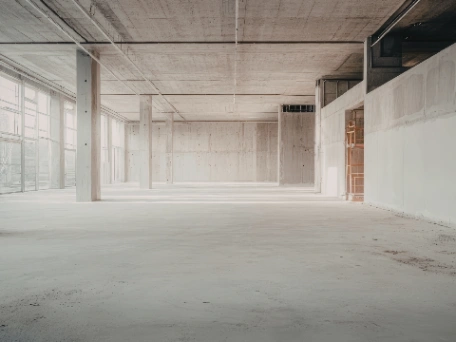
Even when a construction project appears complete, several issues can affect the cleaning process.
Understanding these problems can help builders and project managers avoid unnecessary delays before inspection day.
Fine Construction Dust Continues to Settle
Construction dust can remain airborne or settle into window tracks, corners, cabinetry and other difficult-to-reach areas.
Dust may also be redistributed when doors are opened, ventilation systems operate or finishing trades return to the building.
Depending on the condition of the site, more than one cleaning pass may be needed to achieve the required presentation.
Adhesive, Paint and Grout Residue
Protective films, stickers, adhesive residue, paint splashes and grout haze are common concerns following construction.
However, not every residue can be safely removed using standard cleaning products.
Some surfaces require manufacturer-approved methods, and aggressive scraping or chemical treatments may cause permanent damage.
Identifying these issues before cleaning begins helps determine whether specialist treatment is required.
Trades Return After Cleaning
Electricians, painters, flooring installers and other contractors may need to return after the detailed clean.
Their work can leave fingerprints, footprints, packaging or additional dust.
For larger commercial projects, coordinating the cleaning schedule with the site supervisor can reduce unnecessary repeat work.
The Cleaning Scope Is Not Clearly Defined
A general request to "clean the building" can lead to different expectations between builders, cleaners and property owners.
For example, one party may expect internal window cleaning, while another assumes external glazing, high-access cleaning or construction waste removal is included.
A written scope outlining the areas, cleaning stages and exclusions can help prevent misunderstandings.
What Information Should You Provide When Requesting a Builders Cleaning Quote?
Providing clear project information helps construction cleaning companies understand the work involved and prepare a more accurate quote.
Before contacting a cleaning contractor, consider gathering the following details:
|
Information |
Why it matters |
|
Project location |
Helps establish travel and site access requirements |
|
Building type |
Identifies whether the project involves offices, accommodation, industrial facilities or other spaces |
|
Approximate floor area |
Provides an indication of the project's scale |
|
Number of rooms and amenities |
Helps assess detailed cleaning requirements |
|
Current construction stage |
Indicates whether the site is ready for cleaning |
|
Required cleaning stages |
Clarifies whether initial, detailed or final cleaning is needed |
|
Specific surface types |
Identifies materials requiring particular cleaning methods |
|
Photos or a site walkthrough |
Helps communicate the level of dust, residue and construction mess |
|
Inspection or handover date |
Establishes the required completion timeframe |
|
Specialist cleaning requirements |
Identifies tasks that may need separate pricing |
For larger commercial projects, a site walkthrough may be particularly useful when the building contains multiple areas with different cleaning requirements.
Providing this information early can also help identify potential exclusions before work begins.
Why Builders and Project Managers Choose MCD Group for Construction Cleaning in Kalgoorlie
For builders and contractors working across Kalgoorlie and the Goldfields, construction cleaning is an important part of preparing a completed project for its next stage.
MCD Group provides construction cleaning services for builders, contractors and project managers, with a focus on preparing newly constructed and renovated spaces for inspection, handover and occupancy.
For construction clients, choosing a cleaning contractor involves more than comparing prices. It is important to establish whether the provider understands the type of property, the required cleaning scope and the project's completion schedule.
MCD Group also provides commercial cleaning services, making the business relevant to organisations considering both post-construction cleaning and ongoing cleaning requirements once a facility becomes operational.
Whether you're planning a commercial fit-out, renovation or new construction project, discussing the cleaning requirements early can help clarify the work needed before handover.
Looking for construction cleaning in Kalgoorlie or the Goldfields?
Explore MCD Group's construction cleaning services in Kalgoorlie or contact the team to discuss your project and request a quote.
Frequently Asked Questions About Builders Cleans
What does a builders clean involve?
A builders clean involves removing construction-related dust, dirt and residue from a newly built or renovated property.
Depending on the agreed scope, cleaning may include floors, windows, kitchens, bathrooms, cabinetry, fixtures, fittings and shared areas.
Some projects require an initial clean followed by detailed cleaning and a final handover clean.
What is the difference between a builders clean and a deep clean?
A builders clean addresses dust, debris and residue created by construction or renovation work.
A deep clean generally focuses on accumulated dirt and grime within an existing property.
Although some tasks overlap, construction cleaning may involve specialist considerations for newly installed materials, adhesive residue and fine plaster dust.
How long does a builders clean take?
The time required depends on the size of the property, its layout, the amount of construction dust and the level of cleaning needed.
A smaller renovation may require considerably less time than a multi-storey commercial building with extensive glazing, multiple amenities and detailed finishes.
Additional cleaning visits may be necessary if construction work continues after the initial clean.
Is window cleaning included in a builders clean?
Window cleaning is commonly considered as part of post-construction cleaning, particularly where glass contains dust, fingerprints or residue from protective materials.
However, internal glazing, external windows and high-access window cleaning may have different requirements.
The exact inclusions should be confirmed in the cleaning quote.
Can construction cleaning begin before the building is finished?
In some projects, cleaning can be completed in stages as individual areas become ready.
However, detailed cleaning is generally more effective after major dust-producing activities have finished.
The appropriate timing depends on site conditions, access requirements and the remaining construction schedule.
Who is responsible for removing construction debris?
Responsibility for construction debris depends on the project arrangements and the cleaning contract.
Builders or waste contractors commonly handle bulk waste such as rubble, timber offcuts and large quantities of packaging.
Cleaning contractors may address smaller amounts of loose debris and dust where this forms part of the agreed scope.
Clarifying these responsibilities before cleaning begins helps avoid delays and unexpected costs.