Planning a Construction Clean in the Goldfields: What Builders Need to Consider
From Defining the Cleaning Scope to Preparing for Final Handover
Planning a Goldfields construction clean involves more than arranging for cleaners to arrive once the building work is finished. The condition of the property, the materials installed, the remaining construction work and the expectations of the client all influence the cleaning requirements.
Imagine it's Thursday afternoon, and a newly completed commercial building in Kalgoorlie is scheduled for handover on Monday.
The flooring has been installed, the painters are finishing their touch-ups, and the electricians still have a few jobs to complete. The cleaners have been booked, but nobody has confirmed whether the external windows, internal cabinetry or adhesive residue on the floors are included in the cleaning scope.
The builder considers the property almost finished, but the cleaning contractor may see a very different picture.
For builders and project managers working across the Goldfields region, communicating these details early can make a considerable difference to how the cleaning work is planned, quoted and completed.
Why Every Goldfields Construction Clean Has Different Requirements
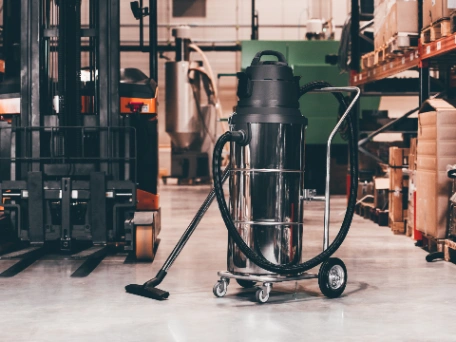
Consider three hypothetical construction projects across the Goldfields:
- A commercial office refurbishment in Kalgoorlie with newly installed flooring, internal glazing and workstations.
- A newly constructed accommodation facility associated with a mine site, containing multiple bedrooms, bathrooms and communal areas.
- An industrial workshop extension with concrete flooring, staff amenities and an administration area.
All three projects require construction cleaning services, but the work involved could be considerably different.
The office refurbishment may require detailed cleaning around new cabinetry, glass partitions and delicate finishes. The accommodation facility may involve repetitive cleaning across numerous rooms, while the industrial workshop may require particular attention to floor surfaces and construction residue.
Even within the same building, different areas may require different cleaning methods.
This is why requesting a general builders clean without discussing the property in more detail can leave both the builder and the cleaning contractor with different expectations.
The more clearly the cleaning requirements are communicated, the easier it becomes to establish an appropriate scope of work.
What Does a Construction Cleaning Scope of Work Actually Tell Your Cleaners?
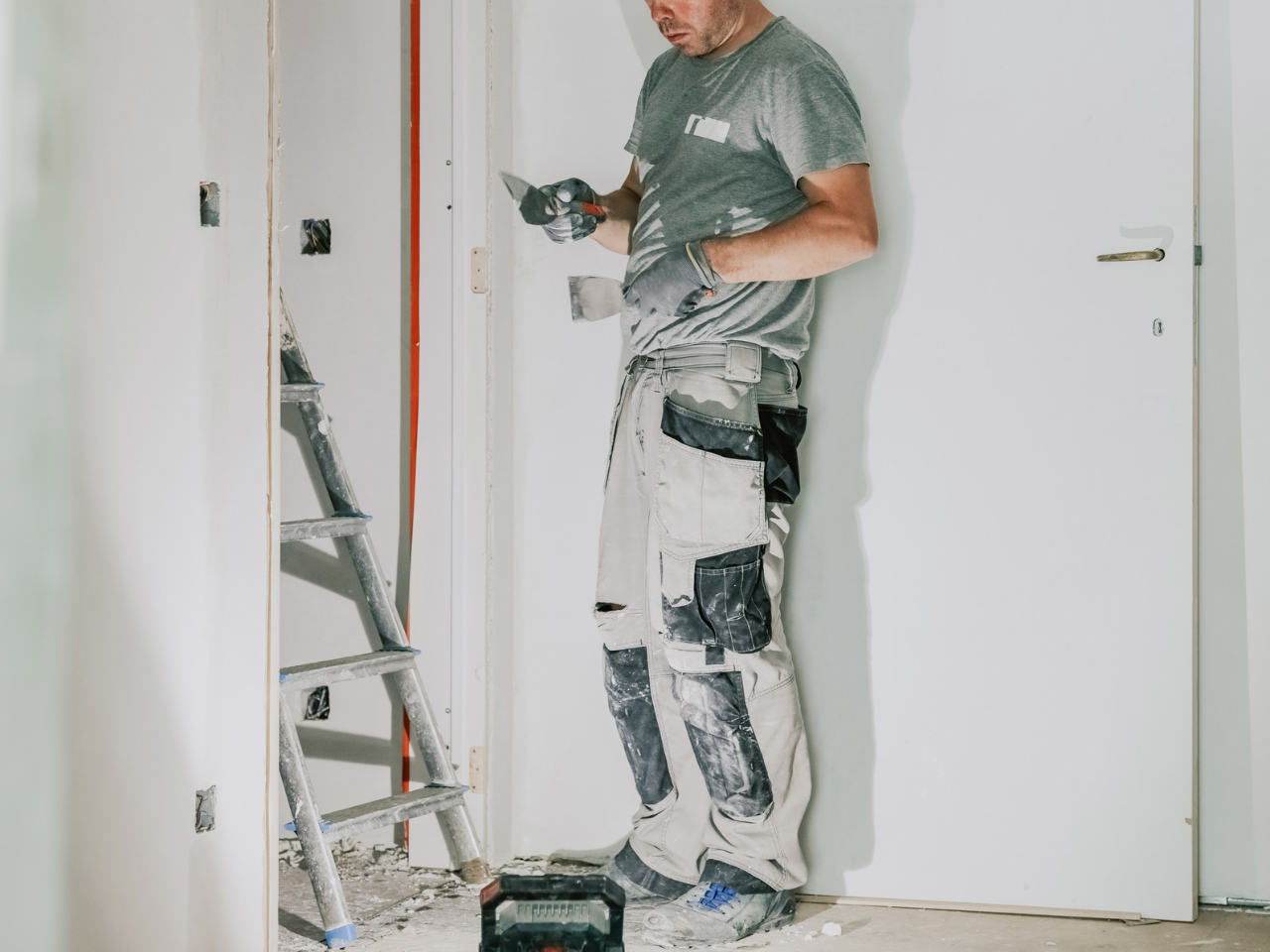
A construction cleaning scope of work describes what needs to be cleaned, the condition of those areas and the expected outcome.
It doesn't necessarily need to be a lengthy technical document. For smaller construction projects, a clear conversation supported by photographs and a written summary may be sufficient. Larger commercial developments may benefit from a more detailed specification.
A useful cleaning scope helps establish:
- Which buildings, rooms and areas require cleaning.
- The types of surfaces and finishes involved.
- The amount of construction dust, debris and residue present.
- Whether initial, detailed or final cleaning is required.
- Any specialist cleaning requirements or exclusions.
- When individual areas will be ready for cleaning.
- The expected standard before inspection and handover.
Builders cleans can involve several stages, particularly when construction work is being completed progressively across a property.
If you're unfamiliar with these stages, our guide to what a builders clean involves explains the differences between initial cleaning, detailed cleaning and final handover cleaning.
The important thing when developing a scope is to communicate what your particular project needs rather than assuming every construction clean includes the same services.
Communicating Cleaning Requirements Across Different Construction Projects
When you're managing multiple contractors, ordering materials and working towards a completion date, describing every cleaning task may not be at the top of your priority list.
However, a few additional details can give your cleaning contractor a much clearer understanding of the work involved.
Example 1: Newly Installed Floors and Construction Residue

Imagine you've just completed a commercial office fit-out in Kalgoorlie. The reception area has vinyl flooring, the bathrooms are tiled, and the adjoining storage area has sealed concrete floors.
There are footprints throughout the building, fine plaster dust along the edges and some adhesive residue near the reception entrance.
You could simply tell your cleaning contractor:
"All floors need to be cleaned before handover."
However, a more useful description would be:
"The reception area has newly installed vinyl flooring, the bathrooms are tiled, and the storage area has sealed concrete floors. There is adhesive residue near the reception entrance and plaster dust around the skirting boards. Please assess what is required to clean these areas without damaging the new finishes."
This gives the cleaning contractor a better understanding of the materials, the condition of the floors and any areas that may require additional attention.
Different surfaces can respond differently to cleaning products, moisture and mechanical cleaning methods. What works on sealed concrete may not be appropriate for newly installed vinyl or other sensitive flooring materials.
Understanding why commercial cleaners use different cleaning products for different surfaces can help builders appreciate why providing these details matters.
Example 2: Window Cleaning and Internal Glazing
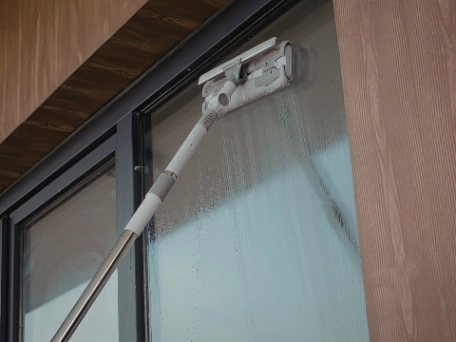
Window cleaning is another area where expectations can differ between builders and cleaning contractors.
Consider a newly constructed administration building with external windows, glass office partitions, sliding doors and internal meeting rooms.
When requesting a construction clean, the instruction might be:
"All windows and glass need cleaning."
But does this include external glazing? What about window tracks, frames, protective stickers and glass positioned above normal working height?
A clearer description might be:
"We need the internal windows, glass partitions, window tracks and frames cleaned. Some windows still have protective stickers attached. There is also external glazing along the front of the building. Please confirm whether this can be included in the cleaning scope or needs to be quoted separately."
This gives the contractor an opportunity to identify access requirements, assess residue and determine whether additional equipment or specialist cleaning services may be required.
It also helps avoid discovering shortly before handover that certain windows were never included in the original quote.
Example 3: Detailed Cleaning of Accommodation and Shared Facilities
Construction projects involving accommodation or communal facilities can contain a large number of similar rooms, but that doesn't necessarily mean every room requires the same amount of cleaning.
Imagine a newly constructed accommodation block in the Goldfields region. Most bedrooms are complete, but some bathrooms still contain protective materials, and contractors have been using the communal kitchen during the final stages of construction.
Rather than requesting:
"A full clean of the accommodation building."
A more informative description would be:
"All bedrooms, bathrooms and communal areas require cleaning before occupancy. Most bedrooms contain light construction dust, but several bathrooms still have residue from installation work. The communal kitchen has also been used by contractors and may require additional cleaning."
This helps distinguish areas requiring a standard builders clean from those that may need more detailed cleaning or deep cleaning.
It also allows the cleaning contractor to consider how the work should be distributed across the property rather than assuming every room is in the same condition.
Distinguishing Construction Cleaning from Outstanding Building Work
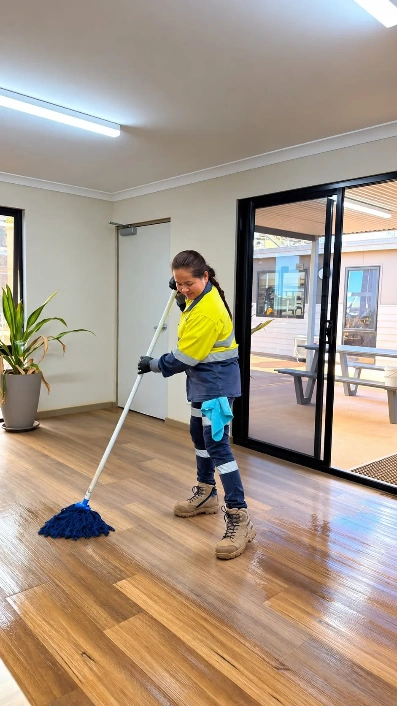
One of the more complicated aspects of preparing a property for handover is determining whether an issue requires cleaning or attention from the original trade.
For example, during a final inspection, a builder might notice marks on a newly installed floor, scratches on internal glazing or uneven residue around bathroom tiles.
Some of these issues may be removable through appropriate cleaning. Others may be the result of installation defects, surface damage or incomplete finishing work.
Consider the following situations:
|
Issue identified |
What should be considered |
|
Adhesive residue on flooring |
Whether it can be safely removed without damaging the finish |
|
Scratches on glass |
Whether the surface is marked or permanently damaged |
|
Paint splashes on fixtures |
Whether removal is appropriate for the underlying material |
|
Excess grout around tiles |
Whether cleaning or corrective work by the tiling contractor is required |
|
Damaged protective coatings |
Whether the issue requires repair rather than cleaning |
|
Unfinished sealant around fittings |
Whether the installing trade needs to complete the work |
Communicating these concerns before the construction clean begins gives the cleaning contractor an opportunity to assess the requirements.
It also helps prevent situations where cleaners are expected to rectify problems that fall outside their agreed scope.
For builders preparing a property for inspection, understanding what property managers look for during a commercial handover can help identify areas requiring attention before the final walkthrough.
Establishing What Is Included in Your Construction Cleaning Services
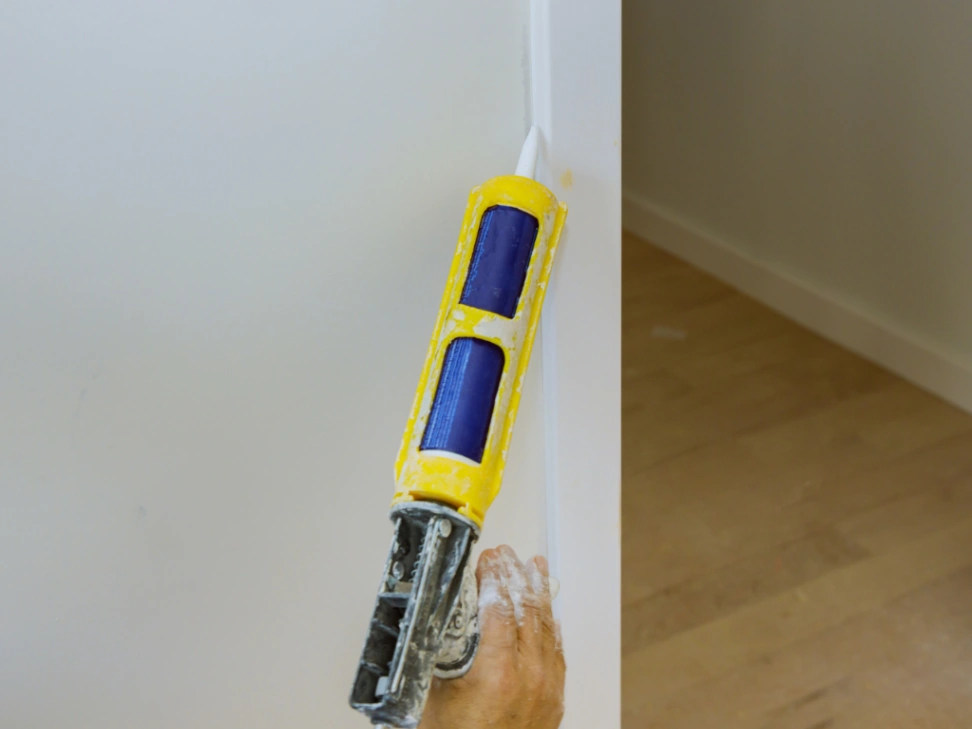
When arranging a Goldfields construction clean, it's equally important to discuss what is not included in the cleaning scope.
For example, a construction site may still contain timber offcuts, packaging, leftover building materials and other construction waste.
While cleaners may address loose dust and manageable debris as part of an agreed scope, removing bulk construction waste may be the responsibility of the builder or a separate waste contractor.
Other requirements worth discussing include:
- External and high-access window cleaning.
- Specialist floor treatments.
- Removal of stubborn paint, adhesive or cement residue.
- Cleaning inside newly installed cabinetry.
- Cleaning external areas and building entrances.
- Additional cleaning visits after finishing trades.
- Ongoing cleaning and maintenance following occupancy.
Hazardous construction dust, including dust that may contain respirable crystalline silica, also requires appropriate risk assessment and controls rather than ordinary cleaning methods.
These conversations are not necessarily about limiting the work a cleaning contractor undertakes. They are about identifying what the project genuinely requires so that the appropriate services, resources and time can be considered.
A clearly defined scope also gives builders a more meaningful basis for comparing construction cleaning quotes and reduces the likelihood of unexpected additional work closer to handover.
Planning Construction Cleaning Around Other Trades
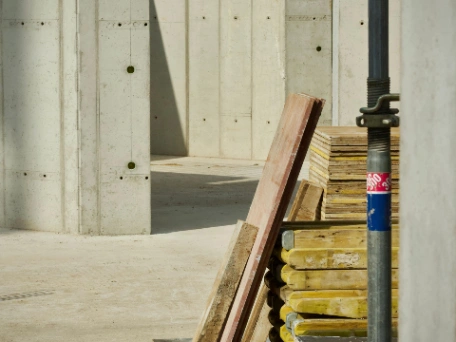
One of the challenges of organising a construction clean is that the building programme doesn't always go according to plan.
Materials arrive late, installation work takes longer than expected, and contractors sometimes need to return to complete minor adjustments. Although these changes may seem insignificant individually, they can affect when a property is ready for cleaning.
Imagine a commercial construction project in Kalgoorlie where the administration offices are complete, but the electricians are still working in the staff amenities and the painters need another day to finish the reception area.
The builder has already arranged for the entire property to be cleaned on Wednesday. However, several areas may not be ready for detailed cleaning until Thursday afternoon.
Rather than simply telling the cleaning contractor:
"The building should be ready on Wednesday."
It would be more useful to explain:
"The administration offices will be ready on Wednesday, but the electricians and painters will still be working in other areas until Thursday. Our final inspection is scheduled for Monday. Can we discuss how the cleaning could be organised around these completion dates?"
This gives the cleaning contractor a clearer picture of the construction schedule and an opportunity to consider whether staged cleaning is appropriate.
It also helps establish whether additional visits may be required and how these could affect the original quote.
For builders managing multiple construction projects, communicating changes to the cleaning contractor as early as possible can help reduce unnecessary repeat work.
Regional Considerations When Planning a Goldfields Construction Clean

Organising construction cleaning in the Goldfields region can involve logistical considerations that are less common in metropolitan areas.
While a commercial refurbishment in central Kalgoorlie may have relatively straightforward access arrangements, a construction project further outside town may require additional planning.
Travel distances, site access, available utilities and contractor availability can all influence how cleaning services are organised.
Coordinating Travel and Construction Site Access
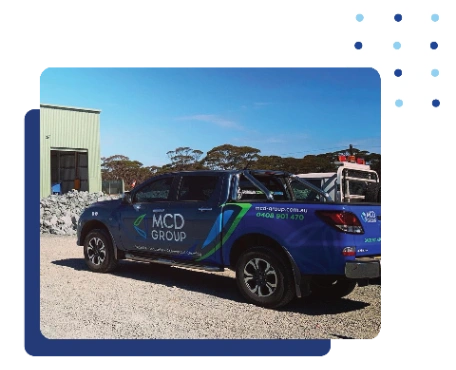
Consider a newly constructed facility located outside Kalgoorlie. The building is approaching completion, and the project manager wants the cleaning team to arrive as soon as the final trades have finished.
However, access to the site requires prior approval, contractors can only enter during designated hours, and the building supervisor needs to be present to unlock certain areas.
These details may not seem directly related to cleaning, but they can influence how much work can be completed during a scheduled visit.
When discussing a regional construction clean, it helps to communicate:
- The exact project location and travel requirements.
- Site access procedures and permitted working hours.
- Any required inductions or documentation.
- Availability of water, electricity and suitable waste disposal arrangements.
- Which buildings or areas will be accessible upon arrival.
- Contact details for the person responsible for coordinating site access.
For construction projects associated with a mine site or industrial facility, additional site-specific requirements may also need to be discussed.
Providing this information before the cleaning team travels to the property can help avoid unnecessary waiting, additional visits and scheduling complications.
These are some of the reasons local experience matters in regional commercial cleaning.
Considering Environmental Dust in the Goldfields Region
Construction dust isn't always the only source of dust affecting a newly completed building.
Dry conditions, exposed ground, unsealed access roads and vehicle movement around a construction site can introduce additional dust into areas that have already been cleaned.
Imagine a newly completed administration building where the internal construction work is finished, but landscaping and external groundworks are still underway.
Contractors continue to enter and exit the building throughout the day, carrying dirt and dust into the reception area and corridors.
Although the internal cleaning may have been completed, the property may require further attention before the final inspection.
In situations like this, builders should consider whether external construction activities could affect the presentation of internal spaces and whether a final touch-up clean should form part of the agreed scope.
The timing of the clean can be just as important as the cleaning itself.
How a Clear Construction Cleaning Scope Helps Prevent Unexpected Costs
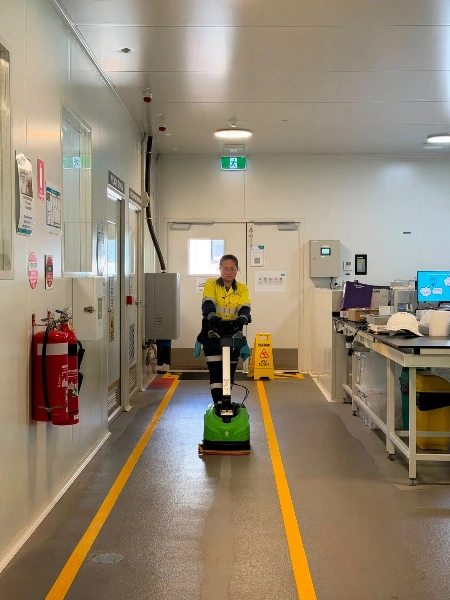
When comparing construction cleaning services, builders may receive noticeably different quotes for what appears to be the same project.
However, the contractors may have interpreted the cleaning requirements differently.
Consider two hypothetical cleaning quotes for a newly constructed commercial office in the Goldfields.
|
Cleaning requirement |
Quote A |
Quote B |
|
Internal floor cleaning |
Included |
Included |
|
Internal window cleaning |
Included |
Included |
|
External glazing |
Not included |
Included |
|
Internal cabinetry |
Not specified |
Included |
|
Specialist adhesive removal |
Not included |
Subject to assessment |
|
Final touch-up clean |
Not included |
Included |
|
Additional site visits |
Quoted separately |
One additional visit included |
At first glance, Quote A may appear to offer better value. However, Quote B includes several additional cleaning requirements that may otherwise need to be arranged separately.
Neither quote is necessarily incorrect. The difference is in the scope of work.
This is one of the reasons commercial cleaning quotes can be difficult to compare.
Before accepting a construction cleaning quote, it is worth establishing whether both parties have the same understanding of what needs to be completed.
If certain tasks are excluded, the builder can then determine whether those tasks need to be added to the cleaning scope or arranged through another contractor.
For regional construction projects, identifying these requirements early can be particularly valuable when additional travel or mobilisation may be involved.
Agreeing on What Handover-Ready Actually Looks Like
The phrase "ready for handover" can mean different things to different people.
A builder may consider a property ready once all construction work has been completed and visible dust has been removed. A property manager may have more detailed expectations around the presentation of internal glazing, cabinetry, amenities and shared areas.
The incoming client may also notice details that were not considered during earlier construction inspections.
For example, imagine a newly completed commercial building where the floors have been cleaned, the bathrooms are presentable and the reception area looks ready for occupancy.
During the final walkthrough, however, the property manager opens the kitchen cupboards and finds fine construction dust on the internal shelves. Protective stickers remain on several windows, and dust has collected along the tops of door frames.
These areas may not have been included in the original cleaning scope, despite the expectation that the building would be ready for immediate use.
Rather than relying on a general instruction such as:
"The building needs to be ready for handover."
It may be more helpful to communicate:
"The client will be inspecting the property before occupancy. Internal cabinetry, window tracks, accessible ledges, bathrooms, flooring and shared areas need to be considered as part of the final presentation. Please confirm which of these areas are included in the cleaning scope."
This provides a clearer understanding of the expected outcome.
Establishing a Final Inspection Process
For larger construction projects, it may also be useful to discuss how the completed cleaning work will be reviewed.
This could involve a walkthrough with the builder or site supervisor, identifying any outstanding cleaning requirements and distinguishing these from defects or unfinished construction work.
Questions worth discussing before cleaning begins include:
- Who will review the completed cleaning work?
- Are there particular areas the client will inspect closely?
- How will any outstanding cleaning requirements be communicated?
- Will other contractors return after the final clean?
- Are additional touch-ups included or arranged separately?
Establishing these expectations early helps both the builder and cleaning contractor understand what is required at completion.
Planning Cleaning Services Beyond Construction Handover
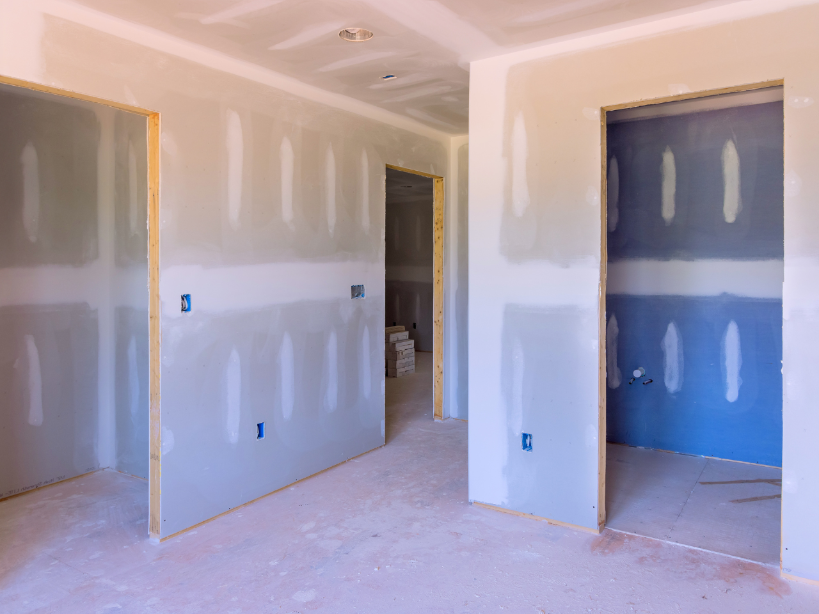
For some commercial and industrial construction projects, the final builders clean is only the beginning of the property's cleaning requirements.
Once the building becomes operational, the focus shifts from removing construction-related dust and residue to maintaining the condition of the facility.
A newly constructed office, for example, may require ongoing cleaning of workspaces, bathrooms, kitchens and communal areas.
An accommodation facility may require a more frequent cleaning schedule, while an industrial building may have different maintenance requirements depending on how the space is used.
Where a property is expected to become operational shortly after handover, it can be useful to consider ongoing cleaning and maintenance requirements before construction is completed.
This may also be an opportunity to discuss whether engaging one provider for multiple cleaning services makes sense for the facility.
Our guide to managing multiple facility contractors explores some of the considerations involved when coordinating different facility services.
What If You're Unsure What Your Goldfields Construction Clean Needs to Include?
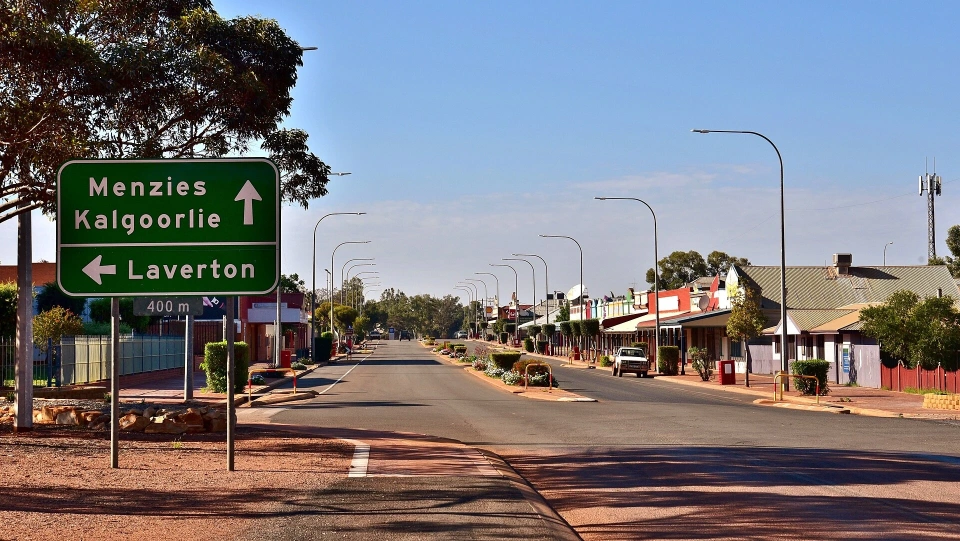
Builders and project managers are not necessarily expected to understand every cleaning method, product or piece of equipment required to prepare a newly constructed property.
You may know that the building needs to be ready by a particular date, that certain surfaces contain construction residue and that the client expects a high standard of presentation.
What you may not know is whether those requirements can be addressed through a standard builders clean or whether additional specialist cleaning services need to be considered.
That's a useful starting point for a conversation with a construction cleaning contractor.
Rather than attempting to develop a complete cleaning specification yourself, start by communicating what you know about the project.
For example:
"We're completing a commercial refurbishment in Kalgoorlie. The flooring and cabinetry have been installed, there is still a considerable amount of fine construction dust throughout the building, and the client is expecting to take possession next week. We'd like some guidance on what cleaning should be included before handover."
Providing this information gives the cleaning contractor context and an opportunity to discuss the areas that may require further assessment.
Photographs, floor plans and details about the construction schedule can also help communicate the condition and requirements of the property.
For further guidance, read our article on what information you should give a commercial cleaning company before requesting a quote.
Planning Your Next Goldfields Construction Clean with MCD Group
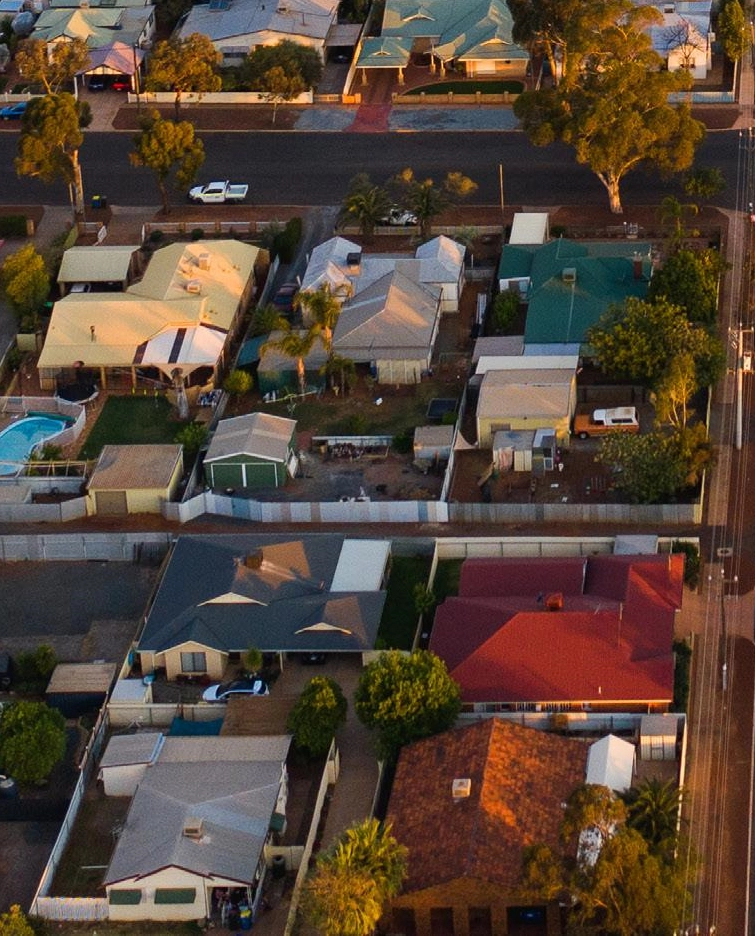
When you're managing a construction project, cleaning is one of many responsibilities competing for your attention.
Between coordinating trades, managing materials, communicating with clients and meeting completion deadlines, developing a detailed cleaning scope may not always be straightforward.
At MCD Group, we provide construction cleaning services in Kalgoorlie and the Goldfields, alongside commercial, industrial and mine site cleaning services.
Our broader commercial cleaning offering also makes MCD relevant to businesses that need ongoing cleaning and maintenance once a newly constructed facility becomes operational.
If you're unsure exactly what your construction clean needs to include, you don't need to have every detail finalised before getting in touch.
Start by telling us about your project, the condition of the property, the work that remains outstanding and when the building needs to be ready. From there, we can discuss your cleaning requirements and explore an appropriate scope of work for your project.
Whether you're completing a commercial refurbishment in Kalgoorlie or preparing a newly constructed facility elsewhere in the Goldfields region, getting the cleaning conversation started early can help you plan more effectively for handover.
Explore our construction cleaning services in Kalgoorlie and the Goldfields or contact MCD Group to discuss your upcoming construction project.